Wah-hoo-wah to Mindy and her wah-hoo-wah

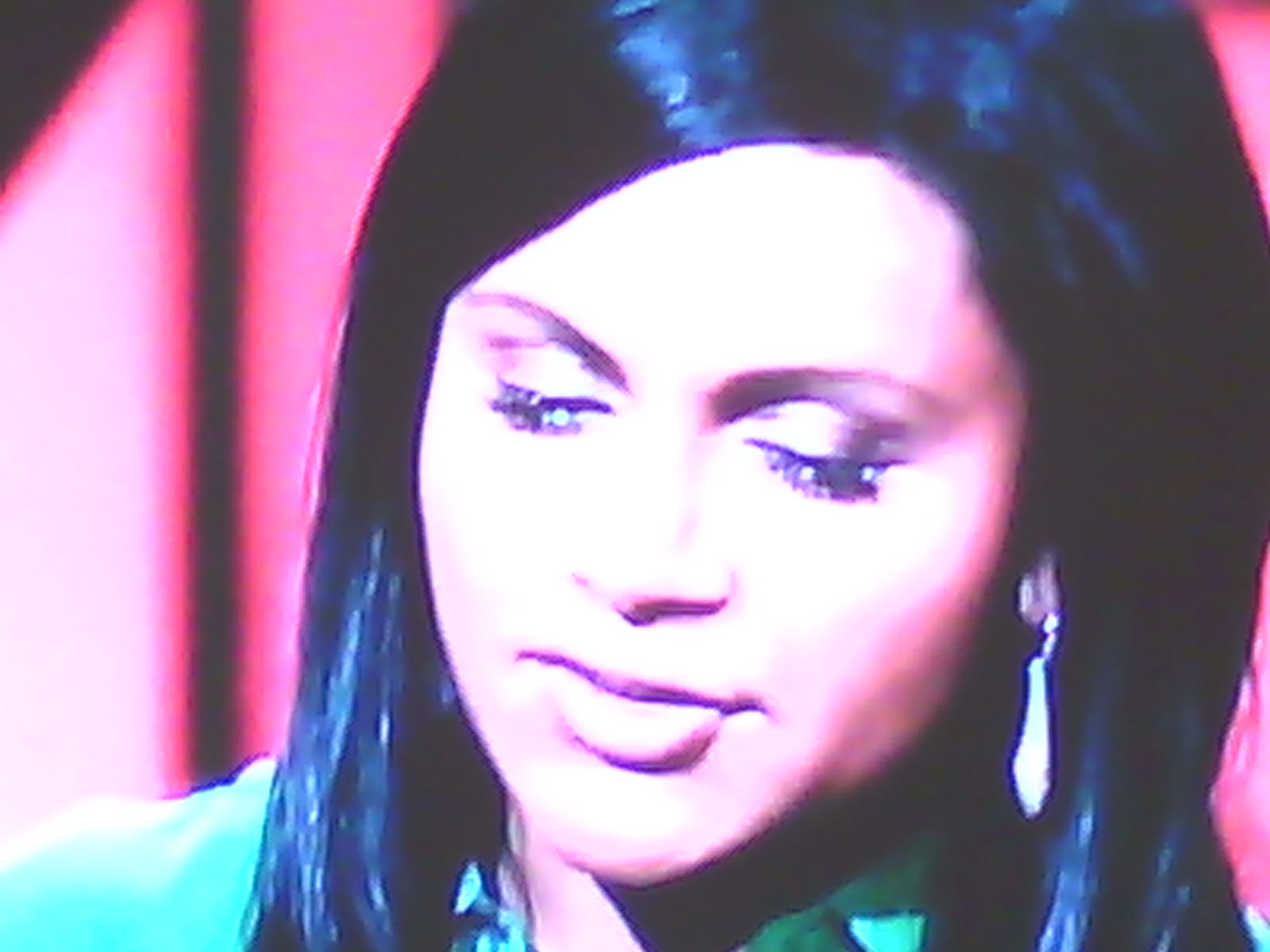
Mindy Kaling was on Charlie Rose, talking about upcoming "The Mindy Project" episodes

Mindy Kaling was on Charlie Rose, talking about upcoming “The Mindy Project” episodes

The inside joke about the Sploderzz execs and one of the docs all being Dartmouth grads is that Mindy Kaling herself is an alumna. Nobody from Dartmouth would, as the characters do, refer to each other as “fellow D-bags”, however. I was there twenty years before Mindy, when we still used the full term “douche-bag”, to describe as you can imagine, an undesirable. The thing about “wah-hoo-wah” was accurate — she deliberately botches the pitch of it — although fittingly, the term is considered uncouth in some groups because it allegedly refers, in Native American languages, to a vulgar reference to “vagina”.
Hearty wah-hoo-wah to Mindy and her “purrr-oject”.
Comment by markweiss86 – April 2, 2014 11:40 AM PDT REPLY TO THIS POST

I posted the above on a pretty well-traveled site about television. TV Line by Kimberly Roots. I was seeing, via the search-injuns, if anyone else with a type-pad caught the weird Dartmouthisms on the Tuesday, April 1, 2014 episode of “The Mindy Project”, starring Dartmouth alumna Mindy Kaling.

In my day people might refer to someone as a douche-bag, but probably not to his face. I remember hearing a story about a guy on the ski team, Miles DeChamp ’87 going to a ski-team party Halloween wearing a large green garbage bag and then telling everyone including his coach (John Morton?) that he was dressed as that coach (Morty), who he was calling a “douche-bag”. But he could rock that because Miles was a total stud (all-league in soccer, NCAA champ in downhill skiing, giant slalom, tall, handsome, and from Sweden, perhaps royal blood ) and Morton, if that was the target, was not a douche-bag, was a war hero and a great coach.

I could fathom that the nature of language and slang is that “douche-bag” could evolve to “d-bag” but I doubt it would lose its edge and become benign, like Mindy’s characters calling each other “fellow D-bags”. I doubt Dartmouth alumni call each other “d-bags”. But it’s funny for her show, I guess, to pretend that we do. (It’s more like the ski champ calling his coach a “douche” in that she doesn’t really mean it).

I also liked the three Dartmouth characters doing some little “wah-hoo-wah” cheer, hands-in like during a basketball time-out. I’ve never done that. I still use the term as a compliment, as in “hearty wah-hoo-wah to Mindy for her show”.

I presume that a lot of people don’t use the term at all for various reasons. (And I do not use the term Indians to describe the Dartmouth Big Green teams or athletes; I actually once went to Michael Dorris’s office hours to discuss whether Dartmouth Mohegans would be any better, and wrote a column in the D about that; but I still sometimes use “wah-hoo-wah”).

Somewhere I read that among its other problems that in some languages “wah-hoo-wah” is slang for “vagina”, in the way that some people say the same about the word “squaw”, but I cannot find, even in the infinite internet, the reference.

I am tempted (and this is real insider stuff) to write and star in a one-act play called “Mindy and Brenda” about how Mindy Kaling’s success is actually due to a deus ex machina event wherein the script for “The Mindy Project” falls from heaven, along with something called “Matt and Ben”, and that is how she has gotten this far. (I saw “Matt and Ben” off-Broadway and met she and her producing partners — Brenda Withers and Jason Hsaio,  at the time, 2003 — it was pretty ingenious and hilarious).

Chop Keenan, the Palo Alto real estate tycoon and presumed overlord of the presumed political machine –and self-proclaimed “Parking Czar” — here, sent his son to Dartmouth. The one time I was introduced to him, briefly, at City Hall, by Nancy Shepherd, I was wearing a Dartmouth wind-breaker and he said “Dartmouth, huh? What’s your favorite tribe of Indians?” and supplicant that I am I says “the Wah-hoo-wahs” which is a perfect example of the idea that politics is like tacos and you should never look too closely at how they’re made, speaking of wah-hoo-wahs. Chop’s business partner also went to Dartmouth, and if they ever sell me the Varsity Theatre (me and my thousands of hypothetical partners), I will try to book the opening night with an all-Green talent lineup. Not necessarily Mindy Kaling, Aisha Tyler and Rachel Dratch doing stand-up, but maybe Ramona Falls, careful, Warm Weather and Tweed Funk, with Austin Willacy.

Getting back to one more point about Mindy (by the way, what is her real name?), I got a kick out of something she presumably put into “The Office” about making fun of Cornell and name-dropping the former Paly football star Nathan Ford, who went on to Ivy greatness in Ithaca. I’ve said somewhere: I must be the only person on the planet who saw Nathan Ford throw behind the runner and “Matt and Ben” off-Broadway — Ford basically blew the CCS championship baseball game Wilcox v. Paly, 2-0 I think, because he tried to pick off a runner and made a throwing error. He was a catcher and threw the ball into center field, behind the runner instead of waiting for a potential steal of third, which would be ahead of the runner.

A little more sussing, and it filters up that the matter of the “wah-hoo-wah” is more meaty and more serious than the “d-bag” gag — even on April Fools Day. Here is the lyric from the famous song-poem from Richard Hovey, class of 1885:

Oh, the big chief that met him was the Sachem of the Wah-hoo-wahs.

If he was not a big chief, there was never one you saw who was.

He had tobacco by the cord; ten squaws and more to come;

But he never yet had tasted of New England rum!

My friends in fraternities — about two-thirds of the men in my day — would probably have had to memorize this. I think the words were printed among other songs and chants in the back of the Freshman Book — our version of a Face Book, or a The Face Book . The song is “Eleazer Wheelock” and is about his famous 500 gallon jug of rum. And the subject of a famous mural that is now concealed.

If Mindy was that much hipper she would be heard, with Bill Hader, shouting “fill the bowl, fill the bowl”.*

Play within play: Mindy Kaling (r) directing Bill Heder (dressed as a bear) in "the Mindy Project"

Play within play: Mindy Kaling (r) directing Bill Hader (dressed as a bear) in “the Mindy Project”


edit to add or *, making an asterisk of myself: “fill the bowl” would be too  hip by half in that few recognize it as a lyric from the same Wheelock-500 gallon jug of rum song. It is similar to Hovey’s more famous lyric, the Hanover Winter Song, “fill the pipe, pass the bowl” (from which one of Dartmouth’s senior societies, Fire and Skoal, get’s its name) — I am making a Chokalingamian type of faux-Dartmouth joke.  Or as Rosanna Rosannadanna might say: never mind. Ok, I’m a d-bag.

Posted in media, sex, words | Tagged , | 1 Comment

Wangechi Mutu visual artist

This looks interesting. There are several other longer videos in the cloud, plus a review by Holland Cotter of the Times (getting my 50 cents a day worth).

I found this because Anne Makepeace did a short film on her. I saw Makepeace present her film about Massachusetts Native Americans and their language, at Stanford. I was also peeking into a Dartmouth professor who graduated from Smith and is from Plymouth, MA area and is part of that tribal group (two Federally recognized and maybe three more State-recognized, although I am forgetting the difference). The Dartmouth professor is writing a book about Indians in Faulkner. I got to that because I had a weak Faulkner reference “oley, grandfather”, in a story about jazz.

Tashtego in “Moby Dick” is apparently also of that tribal group. Wampanoag. Mutu is from Kenya — no connection there.

I thought about asking Makepeace about The Pueblo Girls.

Anyways wanted to bookmark or postmark Mutu.

edita: The Times article lead me to this:


Posted in art, media, sex | Tagged | Leave a comment

Palo Alto’s Million JRU March Towards a Jazz State

Palo Alto’s Million JRU March Towards a Jazz State: Or, Reap This Roseman Riff

There was this dude sitting a few tables away one relatively quiet late morning at Palo Alto’s Printers Inc café, where I had been a regular for more than a decade, at the time – this was about five years ago. At a certain point I interrupted his reading of the news and somewhat humbly asked him where I knew him from. “I’m Josh Roseman,” he replied. I reintroduced myself and explained how we knew each other; for one, I had booked him, as the first show, into a jazz series in a club in San Jose, a few years before. We overlapped in another significant way I won’t describe here. Generally, as an artist manager and concert promoter I was a functionary in the jazz world or scene in which he was or is  pretty significant player. He plays trombone, leads a band,composes, teaches and has a studio.

Seeing this photo, in Palo Alto, is one miliJRU.

Seeing this photo, in Palo Alto, is one miliJRU.

A couple years later I wrote a preview for the concert he performed for the Stanford Jazz Workshop, in November, 2011, almost exactly two years ago. We exchanged emails more than did a phone interview per se, but I also talked to others about his work, and riffed alot about his show, and was pretty stoked, or livelied up, as it were. Some of those riffs were clams — the music word for mis-fired notes, I admit.

I’m thinking of this in the context of having spent a fair amount of time in recent weeks researching a type of history of the Palo Alto jazz scene. I have an ad hoc position as a “junior historian” at the Palo Alto History Association archive – I have a card, it is Steve Staiger’s card with the designation handwritten on the back by he, the chief archivist and historian. Starting with the association’s clip file and then tapping the search-engines, I have been writing a work-in-progress that is part memoir and part research per se, although so far I have done virtually no primary source interviews – I haven’t wanted to bother the people whose stories are the flesh to my bare-bones telling of the events.

I thought of Josh Roseman in terms of two aspects of my story-telling and historiography. One, the role of artists per se in this story. Two, the idea that a timeline can be divided into segments, and how or why to do so, to qualify if you can’t actually quantify –it’s subjective. And so I’m adding this Josh Roseman riff to the whole farrago as a bit of a rhetoric device. I am claiming, or fixing to say, that in the timeline of Palo Alto’s Jazz History, there is a history, which I say, subjectively but not without reason, that starts in 1968 – I therefore define everything before that apropos of jazz as “pre-history”. Likewise but perhaps more controversially – but not being snarky or argumentative or disrespectful – with some method to it – I am claiming that somewhere along the line in recent times we are less jazzy, and now exist in a “post-history” of Palo Alto jazz, along the lines of Latin being a dead language in Italy, or Hebrew once being a dead language before Israelis modernized and revitalized it for their modern state. And here, to claim we are in a jazz twilight or worse, it does challenge, respectively, the roles of appreciation societies like Palo Alto Jazz Alliance, who are having an event next month, or the Stanford Jazz Workshop, who I am certain are already hard at work for an impressive slate of classes, camps and performances next summer. I am claiming that jazz here passed out of our orbit on a particular Tuesday in August, 2011; basically, I am linking my timelines and delineation to the lack of an ongoing venue here.

In terms of my storytelling I am also cataloging elements that comprise the story, independent of the conclusions and implications. The catalog lists artists, venues, professional and amateur administrators and functionaries (like myself!), labels and educational entities, and events and trends. The artists’ list contains local individuals and groups – for example Stanley Jordan, who grew up here and moved on to greater fame, nationally and internationally, a second category, of artists born here (like Fred Ho and Connie Crothers) but who moved away well before achieving recognition for their work in jazz. I also have a list of artists who impacted the scene here but are not generally thought of as from here, for example, chiefly by playing here, or by teaching. For example, John Coltrane, Miles Davis and Thelonious Monk, who all played shows at Stanford, in their prime. And certainly, although it is hard to be encyclopedic about it, I would rate as valuable to the story and not insignificant the performances and work of local and regional acts, and those that also hold down day jobs – jazz is not their primary occupation. Not necessarily every instrument of every section of every one of our mostly excellent high school bands, but yeah, a lot of those people still play and can really shred.

But as I recall my chance meeting with Josh Roseman, who most people would think of as a New York- or Brooklyn-based musician, I do think of him as being in the pantheon of Palo Alto jazz, as being partly-Palo Altan. And when I ran into him I recall getting a kick out of seeing him, being “jazzed” even. Whether he explained this to me that day or I just knew it from the grapevine, there was a time when beyond his touring schedule or teaching a clinic, he would visit here for personal reasons. Ok, his girlfriend lived here. He was in a bi-coastal relationship. (For all I know, he still is; although when I wrote about his show, in 2011, and mentioned running into him I said he had “an ongoing project here”). So I am saying that in the context of assessing what does or doesn’t go on here that makes up “jazz”, a musician merely sitting in a café, reading the newspaper, minding his own business or saying hi to fans (or functionaries) like myself, or not, registers or has value: it jazzed me up, in the case I am describing. I am therefore proposing a way of qualifying that, a value, in the context of this new project of writing about and interpreting the local history of jazz. I am saying that the effect of a jazz fan running into a Josh Roseman, or a Dave Douglas here in Palo Alto, contributes to the jazz culture. Not that Josh that day was humming “Bemsha Swing” under his breath while he sipped his coffee, or that he fixated on the sound of the cup hitting the saucer, or can do more with that that I can (and I bet he could, make music in a sense out of mere clatter – I know Leon Parker could), but that merely being someone who has achieved a level or distinction, an aura, a skillset (think of  Malcolm Gladwell’s 10,000 hours towards mastery), it can add something to our local community fabric. I’m also influenced by a comment made by Steven Bernstein (who plays slide-trumpet to and sometimes with Roseman’s trombone) about how any day in which he ran into Don Cherry (1930-1988) was a special day, he told me. So apropos of this larger task of describing 43 or 100 years of jazz history in Palo Alto, the ups and downs, ebbs and flows, I am defining a unit of measure, a Josh Roseman Unit or JRU as the measure that my running into Josh that day in 2008 or 2009 constitutes, one JRU, that is a feeling, on a scale. Like the Richter scale, or Joules of energy, or what-not.

So if running into a musician like Josh Roseman in Palo Alto, for our purposes, is one Josh Roseman Unit (JRU), then his concert, a couple years later, in November, 2011, was 1,000 JRUs (it was in Campbell Recital Hall, for Stanford Lively Arts). Meanwhile, merely listening to a Josh Roseman cd or download is something less than actually meeting a musician, maybe a thousandth of a unit, or a microJRU – as in, a thousand listens to a song, or a thousand people each listening to a song cumulatively, is one JRU.

A larger concert, say, Herbie Hancock at Bing in 2013 let’s set that for reference at 5,000 JRUs – five times more contributing to the jazz culture of Palo Alto as the Josh Roseman concert, five thousand times more significant than my meeting Josh at Printer’s Ink.

I am saying getting towards my point referenced above that if Palo Alto has had a jazzy period and maybe currently does not, but can get back there, that might take a cumulative city-wide or community-wide effort measured or described roughly as a JRU of one million (1,000,000 JRUs) – equivalent to a thousand Josh Roseman at Campbell Recital Hall concerts per year(1,000 x 1,000), or 200 Herbie Hancock concerts at Bing per year or Josh sitting around all day somewhere slightly more central than Printers and greeting a million fans. Obviously if there are 50,000 or so of us Palo Altans, (and numerous other Palo Alto jazz pantheon artists and potential artists) I do not mean to say it comes down to Josh along, just that he inspired this relative value system and unit of measure and gave me this way of thinking about all this.

We can work out later the various JRU values of other utterances, actions and events. (I guess the historic Thelonious Monk concert, at Paly High, produced by 16-year-old Danny Scher, would measure in the tens of thousands (10,000+ JRUs) and would grow in stature over time, somehow. For rough estimate let’s say the Stanford Jazz Workshop puts out about 300,000 to 500,000 JRUs – and I am influenced by something I just read by Ted Gioia about Jim Nadel’s concept of having the entire camp, from beginners to pros, gather to play Bird’s “Now is The Time”. I’m saying that the Workshop and PAJA and various other dinner jazz gigs have resonance and meaning but fall somewhat short, even with the ambient jazz buzz here, of a jazz scene or potential jazz scene, and I am suggesting a way to measure it, thanks to Josh, or thanks to meeting him again that morning at Printers. Like maybe, by my math and way of figuring, in JRUs, Josh Roseman Units, despite the fine work of Stanford Jazz Workshop, Palo Alto Jazz Alliance, our education programs, dinner jazz and the occassional soft ticket event (like at Stanford Shopping Center), the lack of a venue here and other factors have us averaging something short of a Million JRU threshold of having a jazz scene here, and short of what we once had, unless I am being nostalgic, or revisionist. I do admit I am having a hard time telling a story, as a historian, without also having a bias, as an activist and functionary — we could do more to get a venue here.

And I would hope that Josh Roseman would be more amused and flattered to be the inspiration for this way of thinking than upset that I am compromsing his privacy or calling attention to him. Palo Alto needs more Josh Roseman and more Josh Roseman-types, and places to play and not just sip our coffees and kibbitz.

I took a photo with my cell that I will dredge up from my cloud and hopefully helpfully post here.

You can also work your way through the bulk of my arguments on the history of Palo Alto jazz here. I am only happy to amend or as Shakespeare said, spit in the hole and tune again.

(I wrote this in November, 2013 during my stint as a junior historian at Palo Alto History Association archives.  I am meaning to check in with Josh to see if he is cool with how I depicted his Palo-centrism of the time.  Also, it would be great if he could send me a selfie in lieu of clicking thru all my archived photos to find the one from that day: point your cell phone at yourself and shoot photo; then either email back here at earwopa@yahoo.com or text message to 650.305.0701 — THANKS!)

Posted in ethniceities | Tagged , , | Leave a comment

From our files: Cake v. Lake (at Coupa)

Cake’s version of “I Will Survive”, heard above the din as I sat in our most popular cafe enjoying my lunch, rerouted my train of thoughts from about five other topics to the fact that I am carrying around in my book bag some of the files from the Earthwise Productions vault. The “Cake” file, which has about 30 items, and the “Oliver Lake” (show)file, which has about 10 items.

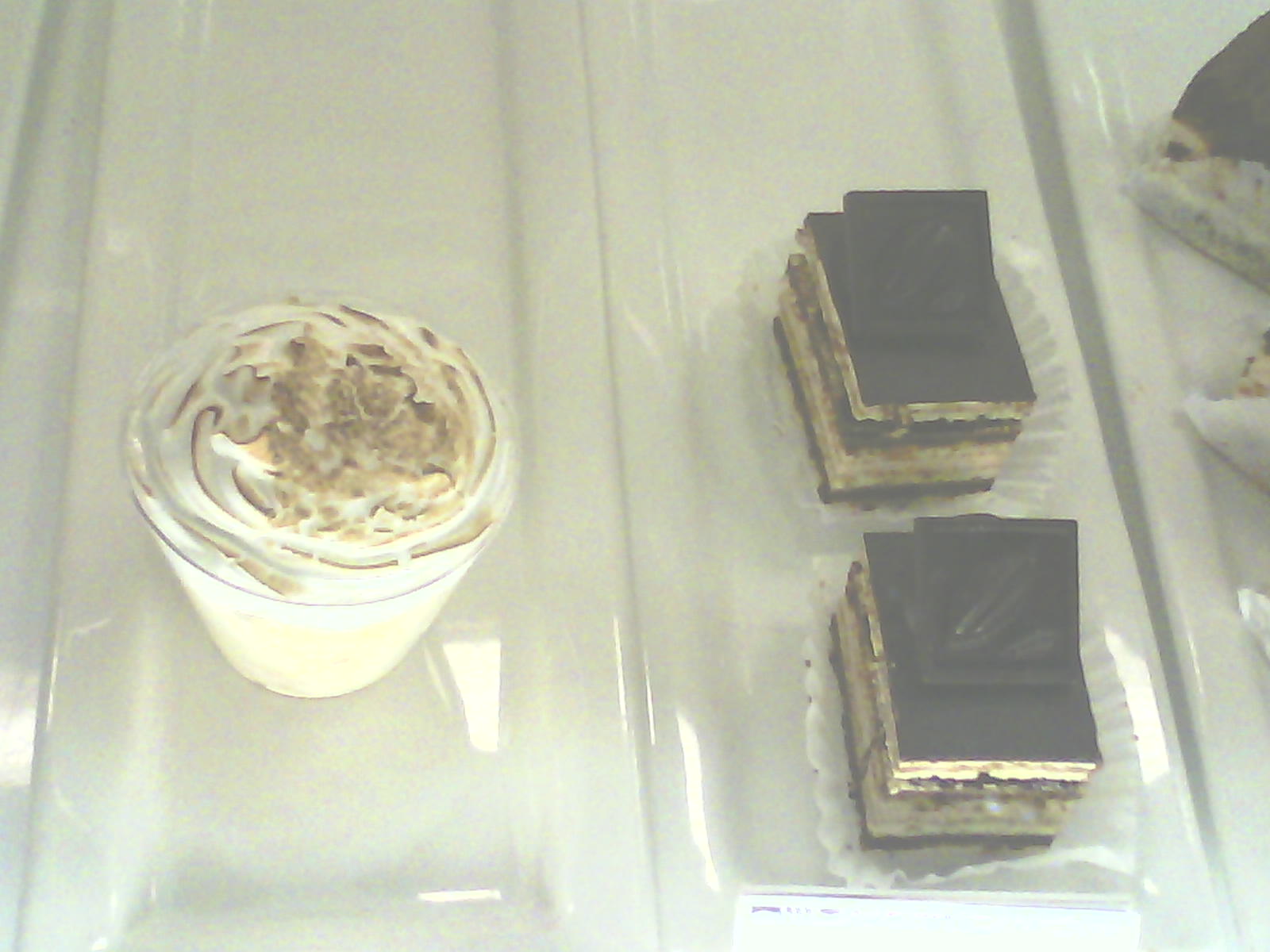
With apologies to both Wayne Thiebaud and John McCrea, here are the Tres Leches treat and Opera almond cakes from Coupa, although the rock band Cake claims their name denotes a dense quality like when your boot sinks into the mud and emerges "caked"

With apologies to both Wayne Thiebaud and John McCrea, here are the Tres Leches treat and Opera almond cakes from Coupa, although the rock band Cake claims their name denotes a dense quality like when your boot sinks into the mud and emerges “caked”

I spend about $200 a month to store a bunch of stuff from my concert series, which mostly took place 1994-2001. So if I pro-rate twenty years of expense by the 1,000 or so things I’ve stored, maybe these things cost me $5 each, or the price of a really special cup of joe, to have them here with me, and yeah, I know that makes me pretty darn bougie. On other hand, I enjoy (if you will permit me a personal revelation) being the dissident sitting around Palo Alto or Coupa Cafe NOT talking about how to make my next bullion. (file this under: filthy lucre.).

Cake is a rock band from Sacramento who played two shows at Cubberley, in 1995 and 1996, plus their agent had me checking avails a couple more times, as recently as 2010, for further bidness together. Oliver Lake (aka LAKE) is a jazz musician, sax player, founder of World Saxophone Quartet, who did a one-man show here in about 1998, thanks to his agent the great (baseball fan and poet) Eric Hanson, then of Half Moon Bay, later of Boston and Philly although he is a Indians fan, (the Indians who play tonight in Oakland — I think that’s my fourth baseball reference in the last couple days).

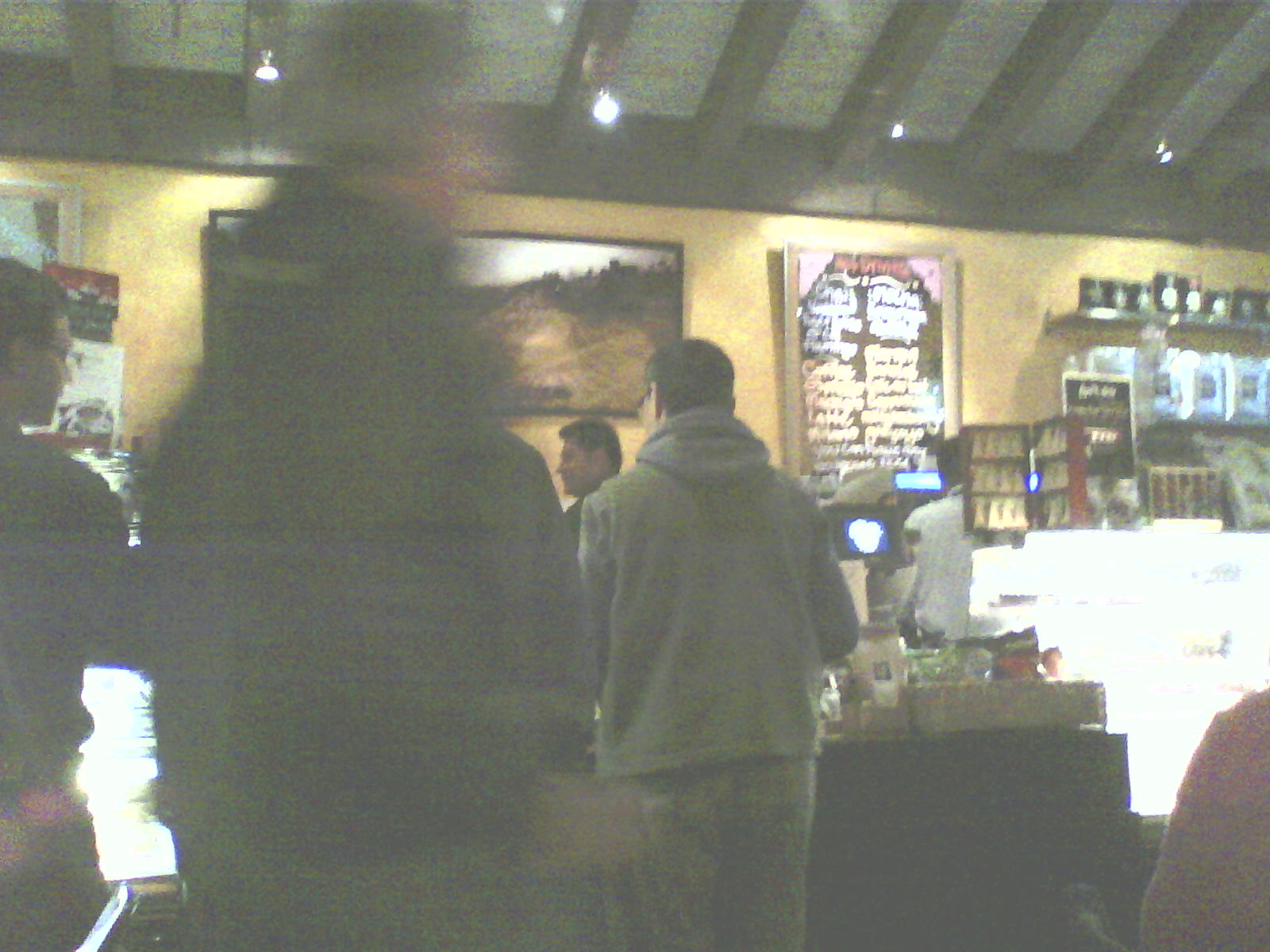
I will edita (edit to add) to augment this sterling post with actual insights gleaned from my sniffing the dust of my own history. Here is a photo of the cafe about an hour ago. I have about twenty more minutes to hog this table, after ingesting some damn fine chicken taquitos for $9.95, until I have to move my car to avoid a purple zone violation (getting a parking ticket: sounds funny: No thanks, I’d like to keep your cake out of my lake, dudes; which reminds me I promised my dear friend Brian E. Moore of Springfield, IL and his son Liam that I would introduce their friend Flat Stanley to our Chief of Police Dennis Burns, for a photo op — oops).

Coupa Cafe in Palo Alto, on Opening Day, spring 2014, rain delay

Coupa Cafe in Palo Alto, on Opening Day, spring 2014, rain delay


Here is Oliver Lake in Seattle in 1998, doing some of the same material he graced us with, at the Cub:

edita, 4/1/14: I actually heard from agent Eric Hanson, for the first time all year, as it was opening night of baseball season and his Tribe were in town to shut down my A’s. The Lake File has about 33 items, including some on fax paper that is degrading to the point of being illegible, as good ephemera tends to be.

Meanwhile I count only 17 items in the Cake file (and remember I am comparing a “show file” which is actual documents from the 1/22/99 event, with a general file on Cake, as compared to the two show files I have on them that are still buried somewhere in the Earthwise bat-cave strorage-space. A cool thing is the flyer from Cake’s January 29, 1997 show at Stanford, at Dink Auditorium (too bad they didn’t know “Dink’s song” from the “Inside Llewyn Davis” — I wonder if anyone will ever perform that song in Dinkelspiel and make that connection). Not as cool in my opinion as this old Earthwise visual chestnut, to which McCrea said “we would have played just to get the poster” (by Wurster and MacCaughan):

Cake.MBW

Posted in filthy lucre | Tagged , | Leave a comment

ruth weiss, Harold Norse and me

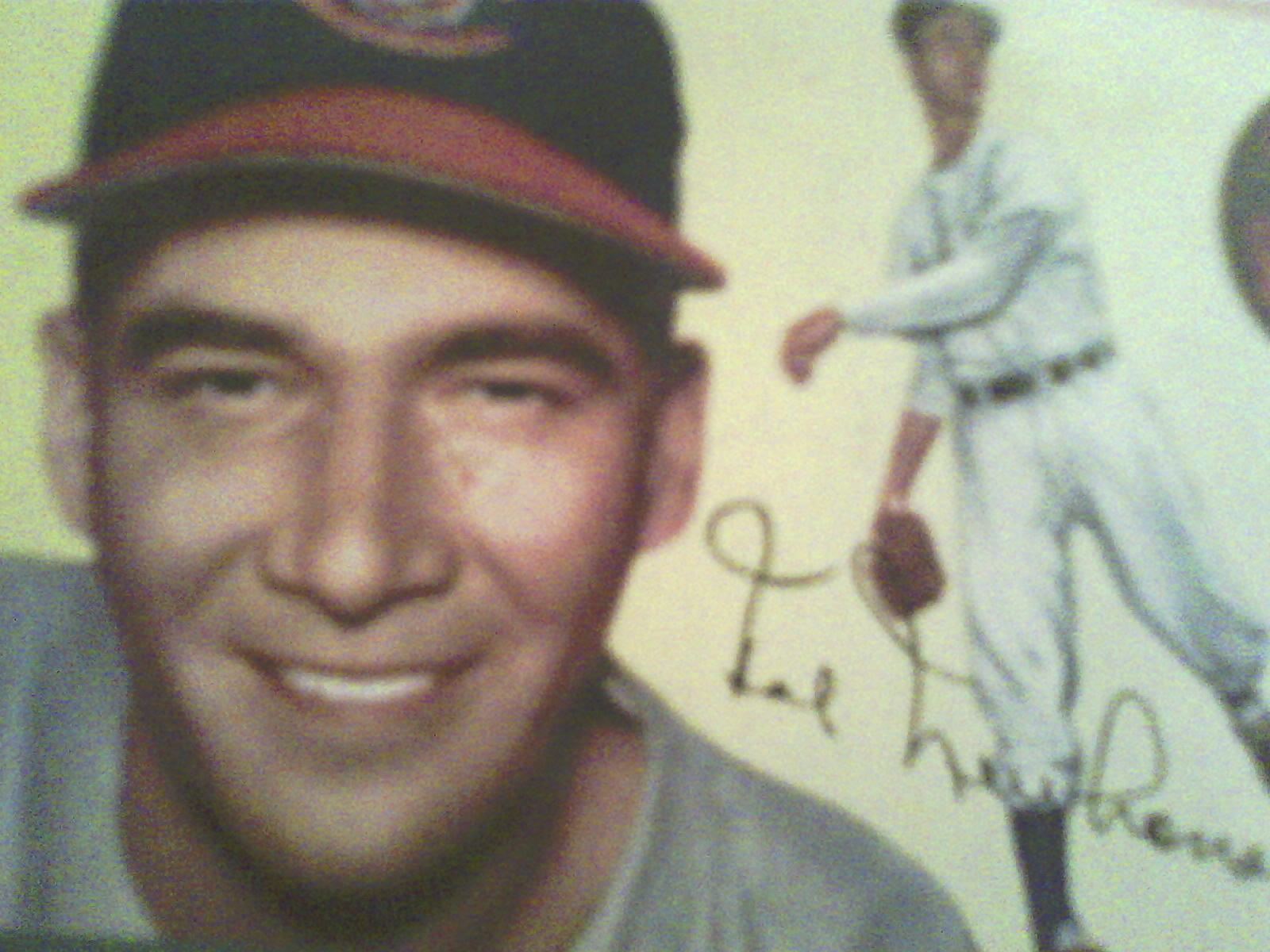
Although I do have a picture of an old Hal “Prince Hal” Newhouser baseball card in my little digital menagerie, and the recent Sore Dove broadside by Jack Hirschman has a baseball theme, “Prince Hal” is probably more likely the poet Harold Norse. I will chug to that.

Giants and A's both have opening to-day/night

Giants and A’s both have opening to-day/night

Meanwhile that little epiphany also sent me to this video of Jazz Cellar on Grant Street in SF where ruth weiss (probably not my relation, but both of us have Chicago roots) poetied (cross between “Poet” and “party”) like it was 1961.

On the other hand, this Italian website does seem to have some material bundling Jack Hirschman and Hal Newhouser.

In Todd Swindell’s obituary of Harold Norse, he says that Charles Bukowski is the one who started calling him “Prince Hal”. Swindell has a wordpress blog about Norse that merits digging my cleats deeper into the banter box. I am also standing a wee bit too close to the catcher such that I can reach around and steal these signs (from the Ginsburg estate

Prince Hal

Prince Hal)

Posted in ethniceities | Tagged , , , , | Leave a comment

New Orleans piano etouffee

Joe Krown, solo piano “Tipitinas” by Professor Longhair:

Preview of screening of restored version of Stevenson J. Palfi’s 1982 film “Piano Players Rarely Ever Play Together”:

available on-line:

Big ups to Blaine Dunlap out of New Orleans for his hard work here.

http://pianoplayersvideo.com/ABOUT_US.html

washington, batiste, krown, photo by cohen, 3/17/14washington, batiste, krown, photo by cohen, 3/17/14

One of these days I would like to host a screening here in the 650 of this work. I never met Stevenson but I had a long conversation with him in 2002, finding his number on the back of a cd put out by Dancing Cat, I think it was. (Of course, I’ve also said that Palo Alto should host a Les Blank festival — I should talk to Brian George about this; I met Brian at the PAHA archives at Cubberley — he produced the Palo Alto Film Festival, at the Varsity, back in the 1980s).

Etoufee above is a pun on etude, meaning study, but also “stuffed”. A stuff-tee?

(This post was also influenced by last night’s “60 Minutes” segment about Marcus Roberts, demonstrating Fats Waller, Jack P. Johnson and others, hosted by Wynton Marsalis. Marcus is from Florida but has a New Orleans rhythm section)

Henry Butler

Jon Cleary

Allen Touissant

James Booker

Dr. John

I made this previous passing mention of Palfi in a rambling and experimental post mostly about the visual arts and a trip we made to Oliver Ranch in North Bay, and a compilation cd about New Orleans music that featured some Booker:

Because I was bragging on the bus ride up about my short-lived days as a New Orleans jazz manager I felt compelled to purchase the 2012 Rhino Records set “back in NEW ORLEANS” when our bus stopped at a Starbucks in North Bay, on our way to Oliver Ranch for an art tour. The cd starts with “Hey Pocky A-Way” by the Meters, passes thru Where Ya At Mule” by Dr. John, makes 13 more stops and then finishes with James Booker medley.
Which reminds me that I recently transcribed my own notes about my 2002 phone conversation with Stevenson Palfi, the deceased filmmaker who was also the basis for the Steve Goodman character in “Treme”.

Posted in art | Tagged , | Leave a comment

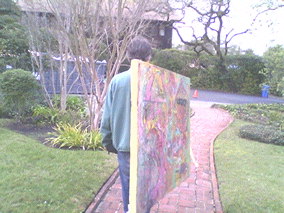
Eric Cohen walking canvas

Eric Cohen, spring, 2014

Eric Cohen, spring, 2014

Eric Cohen is a Los Angeles-based member of the Screen Actors Guild, who you can spot in numerous films. although you kinda have to look for him.

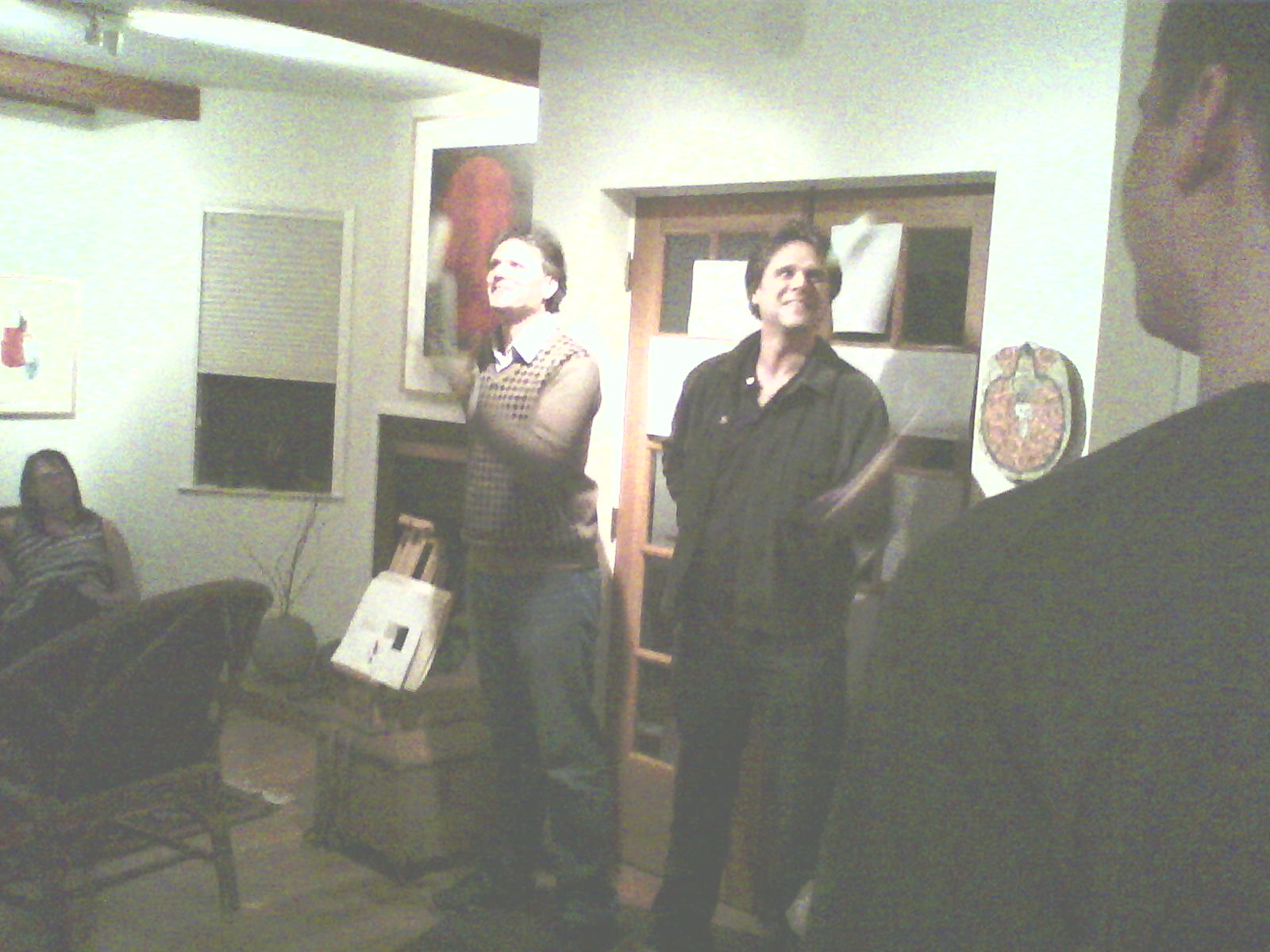
He and his twin brother Steven sometimes appeared in my concert series at Cubberley, billed as The Flying Cohen Brothers. They juggle and dance and tell a few jokes.

They are also working on a documentary film about mathematics. (Not to be confused with Joel and Ethan Coen).

I was quite impressed when Eric recently showed Terry and I a large number of his works, on paper and canvas, that were in storage, mostly from his undergraduate days at Stanford (studied with Oliveira and Lobdell) and grad school at UCLA (studied with Burden and McCarthy).

Maybe this is part of his Paul McCarthy training, this walking around the historic San Juan Hill on Stanford campus with one of his better finished canvases.

Good luck to Eric with his future art endeavors. (And as far as exercise, besides taking his canvases for walks, he is known to enroll in tennis courses at community college or to pump iron at Muscle Beach).

Eric Cohen (l) and Steve Cohen (r) performers known as Flying Cohen Brothers, at a private function in Palo Alto, January, 2014

Eric Cohen (l) and Steve Cohen (r) performers known as Flying Cohen Brothers, at a private function in Palo Alto, January, 2014

Posted in art, ethniceities, film, math | Tagged , , , , , | Leave a comment

Flat Stanley, Stanley Jordan, Christopher Tin and Sandra Bae

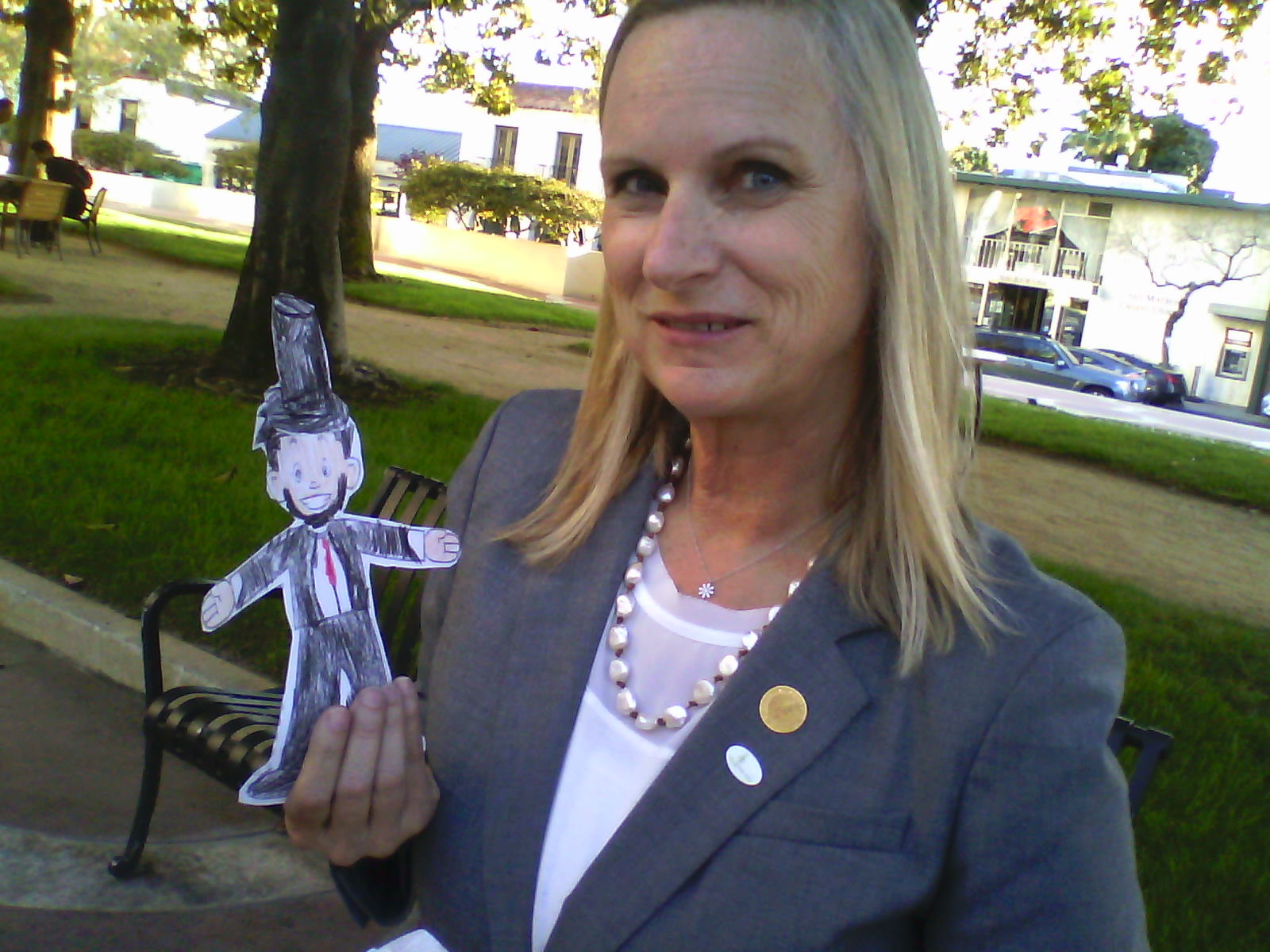
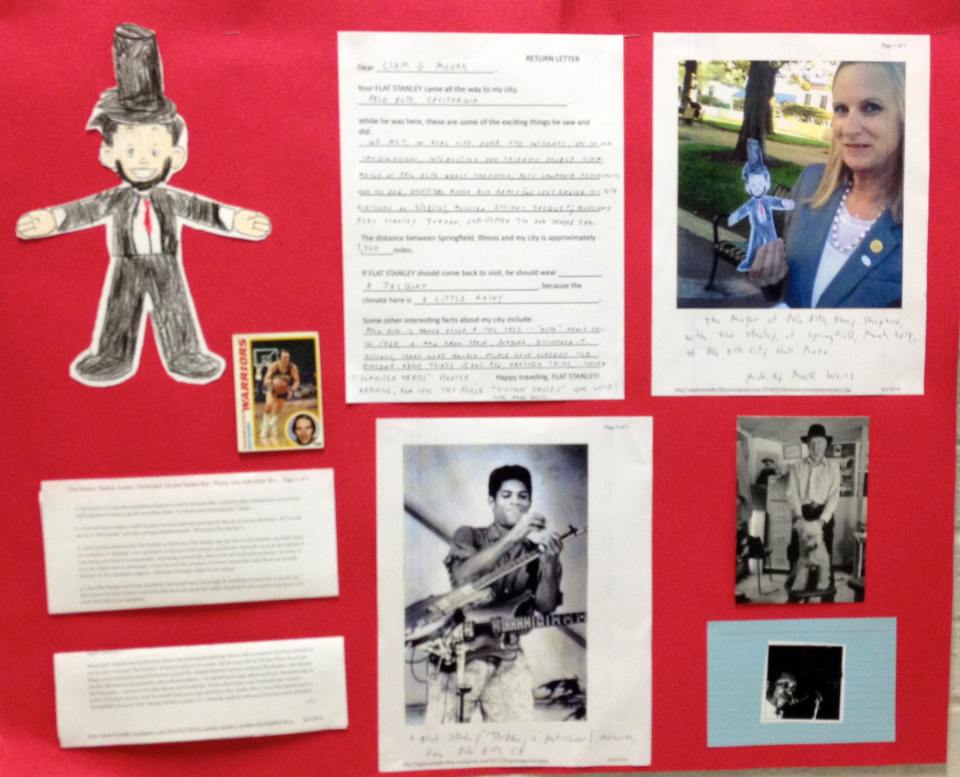
Brian Moore and Liam Moore, from Springfield, IL, called me this morning to check on their friend Flat Stanley. I texted a photo of Flat Stanley, myself, and Mayor of Palo Alto Nancy Shepherd back to them.

But I had also already posted a picture Flat Stanley and Nancy here on “Plastic Alto”; I booted up the computer to assess whether the post in question, ostensibly a review of an obscure indie rock song or album, would seem strange to Brian and Liam. (It does use the “f-word” — yes, it is true that Flat Stanley in his travels will meet people who use the “f-word”; or should we protect people like Brian, Liam and Flat Stanley from this reality of the world, harsh as it is? Or should I delete the FlatStanleyMeetsMayorNancyoffending gerund? It does not add much, clearly. The post is weird enough already because the song in question has a kind of weird title –about a famous and perhaps very holy person– and my review of it consists of 19 seemingly unrelated photos and about 600 words many of which are not about the song but about those photos. The bottom line: I am supposed to be showing Flat Stanley around Palo Alto and instead I am forcing him (and Nancy) into some rather obscure company and being very confusing!=”strange”. Right? Anybody?)

Meanwhile, Helpful Search Function (here I am anthropomorphizing what is only a computer function) seemed to tell me that I had put “Flat Stanley” at least in name in two posts. Did he hang with all the jazz dudes in my epic (long, overly long) post about the history of jazz? No, Helpful Search Function confused Flat Stanley, with Stanley Jordan, the famous jazz guitarist, who is fit and athletic — he placed in the high school sectional championships in the long jump — and use to be quite skinny, but hardly flat. On the other hand, I am reminded that I made a poster of Stanley Jordan, from his concert here years ago, and that is flat: maybe when I send Flat Stanley back to Springfield I can send “Flat” Stanley Jordan (a poster, or a drawing, made by Adrienne Drayton), back with him?

I will ask Brian whether he thinks “Flat” Stanley Jordan is a good travel pal for Flat Stanley.

And while I was searching for “Flat Stanley” on my long jazz article, I noticed that I had misidentified the musician and composer Christopher Tin — I called him “Tan”. So I fixed that, and then did a little somewhat idle rainy-Saturday-morning internet surfing type research to flesh out my somewhat flat reference to Tin.

Which led me to this video, of Tin’s hit “Baba Yetu”.


Which led me to his video of a precocious Korean or Korean-American guitar player near Philadelphia named Sandra Bae, performing the music of Christopher Tin (who is from Palo Alto, but lives in Santa Monica).

There’s also a social media page about her life and work and more videos, including this cover of a Michael Jackson song.

Notes:

1. Flat Stanley is a boy who something happens to and he becomes flat. A positive effect of that is he can travel by mail instead of having to pay for an airline ticket. “to whom something happens” rather…

2. I noticed that in today’s world, he does not even need the envelope he flies in: he can go electronic. (So I would say he is “Flat Stanley” and also, perhaps simultaneously, “Electronic Flat Stanley”).

3. I have no idea what trouble Flat Stanley or Electronic Flat Stanley may get into on the internet, especially when my computer is “sleeping”, but I apologize in advance to his parents and friends, especially those in Springfield, if I am being a bad host or irresponsible. And using, occasionally, bad words and deplorable grammar. In terms of who you might meet in cyberspace, I don’t know if the members of Modest Mouse like Isaac Brock are actually “thieves” as Mr. Christgau suggests. (Although Christgau might be just joking).

4. I love Flat Stanley (and Liam and Brian) and would never knowingly do anything to harm him. I am just not that great with kids (I think I took him with me to the sports bar while I drank beer and watched basketball, but I made him hide in my backpack).

edit to add, a month later:

the kids in Springy say Flat Stanley licks his new digs back home:

good to know my art direction and curatorial skills pass muster in kindergarten class

good to know my art direction and curatorial skills pass muster in kindergarten class

edit to add, a year later: somewhere in Plastic Alto I will have to mention Palo Alto Perry, the stuffed animal and how it relates to Flat Stanley who flew out from Springfield and met our then Mayor Nancy Shepherd. There’s a red herring in that I mention Katy Perry, the singer. Which reminds me that Palo Alto Perry is probably female, like my Dartmouth classmate Perry Taylor of Virginia.

Posted in music | Tagged , , , , | Leave a comment

My precious Stargell and frank funk

1964 Topps Aaron

1964 Topps Aaron

We used to ride our bicycles the mile or so from our neighborhood to the five and dime in Saratoga Village, to pay 10 cents for Topps 1972 baseball cards — ten cards and a stick of not very tasty bubble gum. Forty two complete seasons of baseball have come and gone, yet I hold on to some of those cards.

In 1982, between high school graduation and heading east for college, Eric Cohen helped me sort my “doubles”, which I then traded to Larry Vasovic of The Dugout at The Old Mill for a complete set of Topps 1964, from the year I was born.

The bulk of my collection is stored away somewheres, but I do flip thru that binder of ’64s every once in a while, sorted by team.

Here I’ve ripped what some of these young fellers looked like.

64 Topps Koufax

64 Topps Koufax

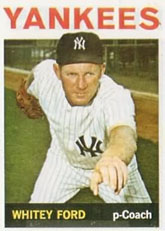
64 Topps Whitey Ford

64 Topps Whitey Ford

64 Topps Frank Robinson

64 Topps Frank Robinson

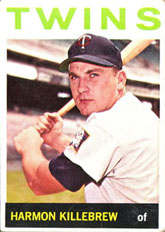
64 Topps Harmon Killebrew

64 Topps Harmon Killebrew


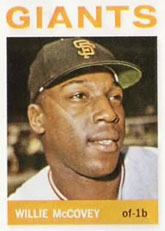
64 Topps Willie McCovey

64 Topps Willie McCovey

64 Topps Juan Marichal

64 Topps Juan Marichal

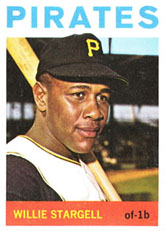
64 Topps Willie Stargell -- my headline alludes  to the fact that the Pirates slugger, from Oakland, has a daughter Precious who was a year ahead of my at Dartmouth

64 Topps Willie Stargell — my headline alludes to the fact that the Pirates slugger, from Oakland, has a daughter Precious who was a year ahead of my at Dartmouth

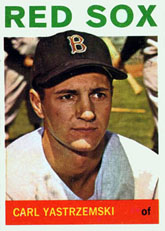
64 Topps Yastrezemski, Carl -- I believe I have all the Topps Yaz's ever released, including two rookie cards, 1960 and 1961 I think

64 Topps Yastrezemski, Carl — I believe I have all the Topps Yaz’s ever released, including two rookie cards, 1960 and 1961 I think


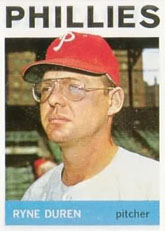
Ryne Duren only comes up here because I referenced him briefly in an article a few weeks back about 1961 and Jack Hirschman, the radical poet, mentioning Hal Newhouser in a poem; Duren wore thick glasses and was a three-time all-star but was known to be wild and would throw some of his warm-up pitches against the backstop to freak out his opposition. I never saw this, mind you, but picked it up somewheres. And have this card:


64rynedurenFrank Funk of the Milwaukee Braves probably does not belong in this pantheon of my favorites but it caught my eye in two ways today: one, because for whatever reason I woke up this morning in a bit of a frank funk which thinking about baseball and drinking Peet’s coffee may have remedied; and two, because it reminds me of my recent post about Tweed Funk, the Milwaukee-based blues band: there is no connection between an obscure baseballer from 50 years ago and music, except in Plastic Alto (although there is a funk band called Vida Blue, named for a major league pitcher, AND, I (who else) once asked the former Red Sox outfielder Pumpsie Green if he would mind lending his name to a potential blues-soul band I was plotting).

Frank Funk, inspiration for Tweed Funk, both of Milwaukee, whereas Ryne Duren was from Cazenovia, 53924, about two hours west, past Madison

Frank Funk, inspiration for Tweed Funk, both of Milwaukee, whereas Ryne Duren was from Cazenovia, 53924, about two hours west, past Madison


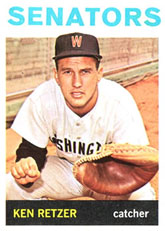
Lastly, Terry and I met former big league catcher Ken Retzer at the St. Louis Hilton, in 2010, across from the ball park. We were there (Terry and I but not Mr. Retzer) for the wedding of my cousin (and former Vanderbilt cheerleader) Jenny Moats. Mazel tov, brush after meals, and PLAY BALL!

64kenretzer

Posted in media | Tagged , , , | Leave a comment

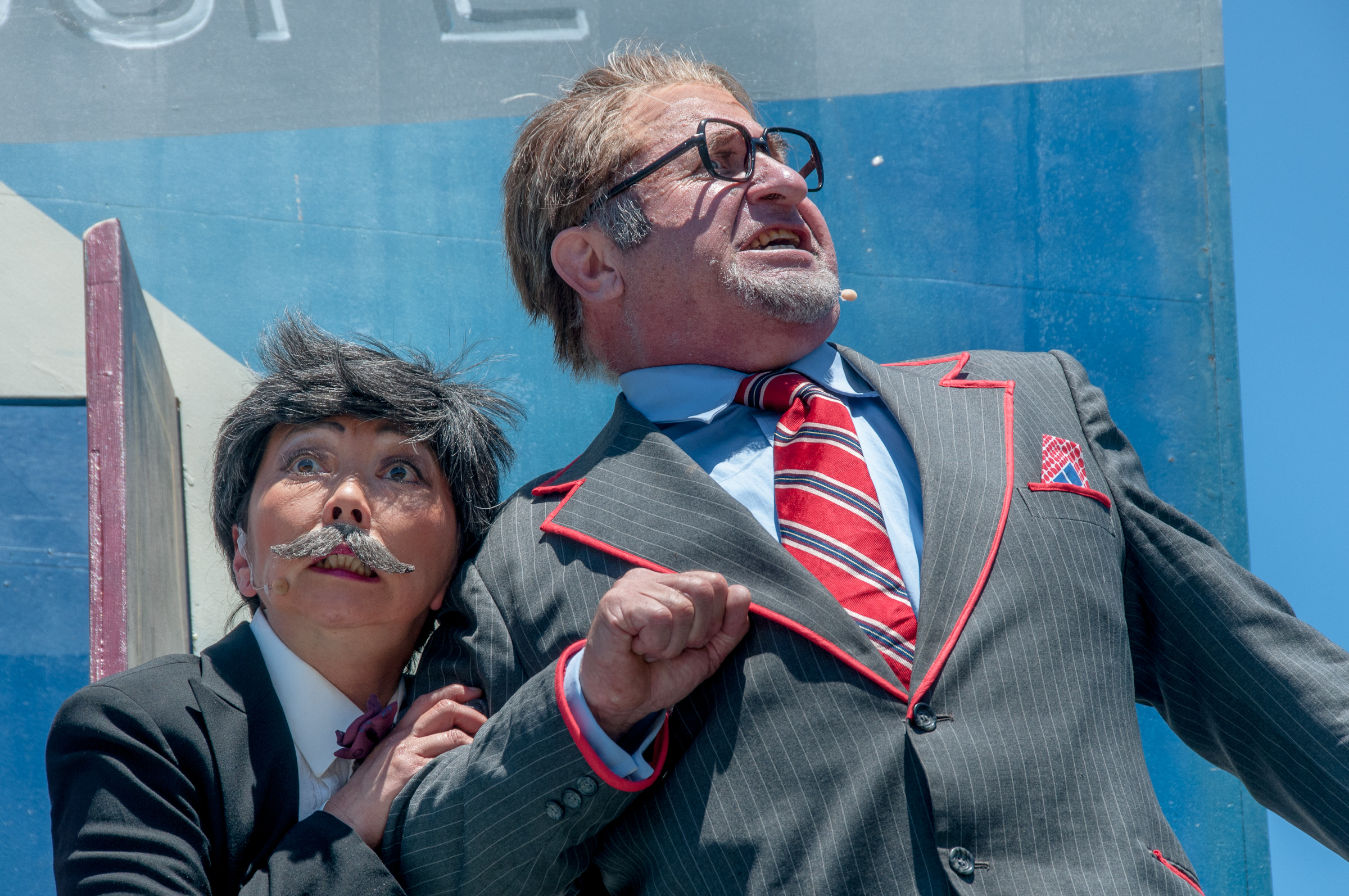
SF Mime Troupe post: 2012, 2011, 2014 and counting

I posted this on some other sight, as a volunteer “community blogger” and am trying to paste it over here, for archive sake:

To wit:

Factwino

Factwino

SF Mime Troupe, an award-winning comedia dell arte political-musical-theatre group from San Francisco, is bringing its new production “2012: The Musical” to Mitchell Park in Palo Alto on September 1

Posted by Mark Weiss , August 14, 2011 at 03:39 AM

Factwino, a griot in the form of a street person (think Victor Frost mixed with Langston Hughes) was a fictional star or dramatis persona in three of the SF Mime Troupe’s productions in the nineteen-eighties, most notably “Factwino Meets the Moral Majority” which I covered for the Stanford Summer Daily in 1981 (it was at a church, maybe on Cowper).

He will not literally be present at Mitchell Park on September 1, except in spirit, except perhaps as a poster for sale during intermission.

But, as portrayed by Shabaka Henley (b. 1954) Factwino left his impressions on me, and I know I’m not alone. Gil from Accent Arts asked me about Factwino when I placed this year’s SFMT poster in his California Avenue storefront.

Jenee Gill (no relation), the general manager of the Tony-award winning comedia dell arte (street theatre) company, in her third season, knows of Factwino but pointed out that the current production featues the writing of a more recent wit, Michael Gene Sullivan, as opposed to Jean Holden, who retired in 2000.

Like the 1981 poster, this year’s poster features the art of Spain Rodriguez. Even if you miss, don’t get, or don’t appreciate SFMT, you might want the poster as a collectible.

My car now features a SF Mime troupe sticker, next to those by David Gilhooly at Smith-Andeson, Superchunk, KCSM Jazz 91. Kid Koala, City Lights Howl, and Merge Records. (Disclosure: I am an unpaid contributor writing a preview in the form of a “column” for Patch; they sell the stickers at shows for about $2; I also once put down a $250 donation or deposit to try to bring SFMT back to Palo Alto for the feist time in 20-plus years but my application somehow fell through the cracks at Lucie Stern basement — it is an old building. Paul George and the Peace Center picked up the gauntlet a year or so later and now this 2011 production is the fifth season back in PA, home of Joan Baez, Jerry Garcia, Neighbors Abroad Oaxaca Exchange and Windham Hill Records birthplace.)

“2012” is a meta-production, about a small theatre company struggling to survive, its corporate temptations, attacks from the far right, just like SFMT. Gill said that it is fair to compare it to similarly self-referential “(Title of Show)” the Broadway show that was remounted recently at Theatreworks, although “2012” does not reference it directly.

With a slew of long-time contributors, mixed with fresh blood, the 52 productions in SFMT’s history do have over-lapping themes, and timeliness. Gill pointed out that she was proud of the show called “1600 Transylvania Avenue” which presaged more recent debates about corporate influence over Washington politics.

A stalwart of the music department for “2012” and SFMT is Bruce Barthol, best known as the founding bass player for Country Joe and the Fish. She said, however, that two of my favorite “usual suspects”, Velina Brown (who has also appeared locally in five TheatreWorks shows) and Ed Holmes, are each taking the season off.

Besides this short dispatch, I said I was hoping to get time for Jenee Gill and maybe one or two of her performers at KZSU, where I have produced and emceed about a dozen live interviews and performances in recent years. Also, I hope to hear back from jazz musician Liberty Ellman (Norah Jones, Vijay Iyer, Brad Hargreaves of 3EB, Ledisi, Henry Threadgill) who put in four or five seasons with SFMT in the nineties before relocating to the 718.

I missed the SFMT show here in July — anybody want to post their impressions? (which would make them post-impressionists?) Also, if you miss this upcoming Sept. 1 “hit” (jazz lingo for “event”) you could catch “2012” in Redwood City a few weeks later.

Besides writing this, invoking my privileges at KZSU, and my sticker, I am looking for good homes for about six more posters, plus about 20 handbills. I have to admit I used one to bribe Paul Jacobs of Gryphon Strings (a big Spain collector, apparently) to get in to see Richard Johnston and Frank Ford about the Varsity, although I digress (and obsess).

Mums the word about SFMT in Palo Alto – NOT. Or as Chad Jones said in the Examiner, “if we are going down, at least we’re going down singing.” Or: come see its muddy bosom turn all golden in the sunset (show starts at 7, music at 6:30).

edit to add, three years later but only a week after reposting this here to Plastic Alto: I spoke to Ed Holmes very briefly, on another matter, and he said he is writing for SFMT but not likely to appear in a show. He is also working on his photography.

Ed Holmes and friend by Fletcher Oakes

Ed Holmes and friend by Fletcher Oakes

Posted in art, Plato's Republic | Tagged | Leave a comment