Who kill Sy Abelmon?

A serious mon.

James, Marlon James aka him the hat fit

James, Marlon James aka him the hat fit. No, r’asscloth: who the cap fit

edit to add: I loves ABHO7K the way Sy loves Larry:
sy

and1: I think it would be funny for Marlon James, a Jamaican English professor and novelist (“A Brief History of Seven Killings”) at Macalester College in St. Paul, Minnesota, U.S.A. to next write about Jewish gangsters, maybe based in St. Paul, maybe a parody of Coen Brother’s “A Serious Man” the movie. The photo of me, above, is taken at a bowling alley in St. Paul, in 2009, at my cousin’s Bar Mitzvah, on a day I also viewed “ASM” at a local cinema and heard rock music outdoors at Macalester. Meanwhile, Plastic Alto — Leland Stanford meets Ornette Coleman — has reached 1,300 chapters, 500,000 words but only 50,000 readers / viewers, people stumbling by. I sent a version of this, or two versions actually, to the email address on his page.

andand: two weeks later, I just read the first 27 lines of Marlon James essay in The New York Sunday Times Sunday Magazine — one graph — and have to amend the above: It would be funny if Marlon James and Bob Mould (a Mac alum) combine to write a musical treatment of a gay black West Indian version of “A Serious Man” based on Coens. Playing up the Mentaculus and Gangster themes. A fella can dream can’t he. Or Ethiopian, I think there are more Ethiopian than Jamaicans in Twin Cities, no? Did I actually send this to the author?

Posted in art, ethniceities, media, music, Plato's Republic, sex, words | Tagged , , , , | Leave a comment

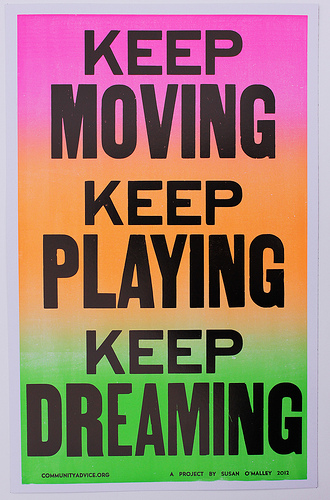
Keep moving, keep playing, keep dreaming (Susan O’Malley, 1976-2015)

Susan O'Malley was here

Susan O’Malley was here

Joey Piziali sends word sadly that his friend and colleague Susan O’Malley has passed away, at age 38. I wrote this about her Palo Alto Public art campaign, two years ago:

Terry and I met Susan O’Malley at an event at Palo Alto Art Center, for the closing of the group show there that featured part of her “Community Advice” project. Susan interviewed 100 Palo Altans about life and attitude and then created 10 letter press pieces, some of which hung in the gallery, some sold in the gift shop, some still available on her website and others placed all over Palo Alto, most notably or noticeably on Embarcadero near the Art Center.

As someone who has spent numerous hours placing posters and notices on surfaces protected and unprotected, I couldn’t help rescuing the piece I saw taped to a newsrack on Cali Ave some months ago. I could tell from the chop that this was the work of an artist and not just some naive well-meaning person, or superior being from outer space, trying to reach us with a message. I also pulled off of Embarcadero and rescued another of these, before I did the math and realized it was an extension of a current exhibition, which I later viewed.

But I also had my own riff. I wanted to re-purpose the one about sleeping in the RV for the sake of raising consciousness about the current debate here about a subgroup of community members who indeed sleep in their cars, or RVs. I contacted Susan’s gallery, my friend and sometime collaborator Joey Piziale and asked him to ask Susan if we could re-run a batch of these and put them up especially near the areas with car-sleepers, like off El Camino, near College Terrace. I had been invited to go to a meeting that I think is ongoing on this issue, on campus, at the Episcopal Lutheran Church on Stanford Avenue; I thought they might like to see these posters.

I also wanted to modify and maybe reproduce the one that says “Do Not Lie” and change it to “Do Not Sit-Lie” which is the legal term for when a panhandler goes beyond his First Amendment rights to aggressively solicit or beg, whilst in the stationary position, on otherwise public and free property. I still may do that — create my own set of “Do Not Sit-Lie” xeroxes, after O’Malley.

Susan did not seem mad at me for threatening such a repurposement of her hard work. Meanwhile. one of our local rags mentions that in SF Tom Ammiano is behind a statewide measure that would rescind some local sit-lie bans.

Susan’s work reminds me also of course of Barbara Kruger and Jenny Holzer.

As a McLuhanist, I was into anything that is letterpress and tacked to a telephone poll, so retro, in this era of social media and all that. Medium is the message regardless of what the message actually says (which I thought some would think author is being ironic).

I think I have the actual poster documented on Susan’s site, on Cali Ave.

More from JP:
Friends,

There has been an outpouring of love since the news of Susan’s death. Thank you to everyone for sending such heartfelt love, prayers, and condolences. It is incredible, truly incredible, to feel all the love that she inspired. As was beautifully stated by one of her friends, “the city seems to be stumbling around in a daze.” The urgent need for connectedness among all who loved her has been so profoundly touching. Now, more than ever, we look to the heart and wisdom of Susan’s words and to the power of the community she created to help guide us through this daze.

A memorial service for Susan will be held on Monday, March 9, at 11am at Villa Montalvo in Saratoga. Susan was previously an artist in residence at the Montalvo Arts Center. Villa Montalvo is located at 15400 Montalvo Road, Saratoga, CA 95071.
In lieu of flowers, the family hopes to set up a fund to support emerging artists and to commission a permanent installation of Susan’s work. Details are forthcoming. Her husband Tim and the family would also like to invite everyone to visit morebeautifulthanyoucouldeverimagine.com to celebrate Susan’s life by sharing stories, memories and pictures.

Should you have any questions, please feel free to contact the gallery at 415.550.7483 or email info@romeryounggallery.com.

LOVE
IS EVERYWHERE
LOOK FOR IT

I will update here with our actual correspondence.

Joey or Vanessa:
I saw some Susan O’Malley prints /broadsides on Cali Ave and had no idea what they were and “rescued” one, okay, two, and now know that what I saw was or is subtly promoting an installation or exhibit at Palo Alto Art Center and what I want to know or do — per my voice message — can we likewise promote Susan, Romer Young, the show and perhaps at same time HELP THE LOCAL HOMELESS SITUATION or RAISE CONSCIOUSNESS ABOUT RIGHTS OF THE CAR-SLEEPERS (cf “THE RV WAS A GOOD IDEA” ): I am wondering if we can synergize the discussion here, mostly takes place on Sundays at the Episcopal Lutheran church near Stanford, about art and politics and homeless by either putting a few more of the works up or making “bootleg” versions of such — can I run off on a Xerox machine “derivative” versions? Or maybe somebody can sponsor a special printing or procure copies from the actual run expressly to use as agit-prop on this issue.

I was noticing the overlap between the homeless community chatter and at least that one execution (“IT WAS A GOOD CALL TO BUY THE RV’ or whatnot) — what can we do?

Or can we commission Susan to do another execution or similar that creates dialogue on the homelessness and debate over sleeping in cars and whether or not to ban it, as is being suggested?

Mark Weiss

edit to add: It just occurred to me that I may have destroyed this installation shortly after Susan placed it, here on Cali Ave. Oops:
bproud

poignant eulogy by Christian Frock, on KQED page.

edit to add, the next day:
I spent an hour at Lytton Plaza Tuesday with three of Susan’s posters, from our collection. I was trying to make eye contact as people passed — I had done a similar exercise with a hand lettered “Do Something” sign given to me by Stanford students last fall, apropos of Ferguson, MO. I spoke to about 5 people overall and another 75 completely ignored me or averted. Granted, Susan designed these things to sit on poles or sides of news racks; it is not self-evident that having a human holder augments them. The reason I cropped this photo so closely is that by the time “Gemilla” spoke to me, I was so happy for the acknowledgement, which does not fit the overall mood of the piece:
susanomalleytribute030315lyttonplazambw

Posted in art, Plato's Republic, sex, words | Tagged , , , , | Leave a comment

Congrats, Gunn, on a great season

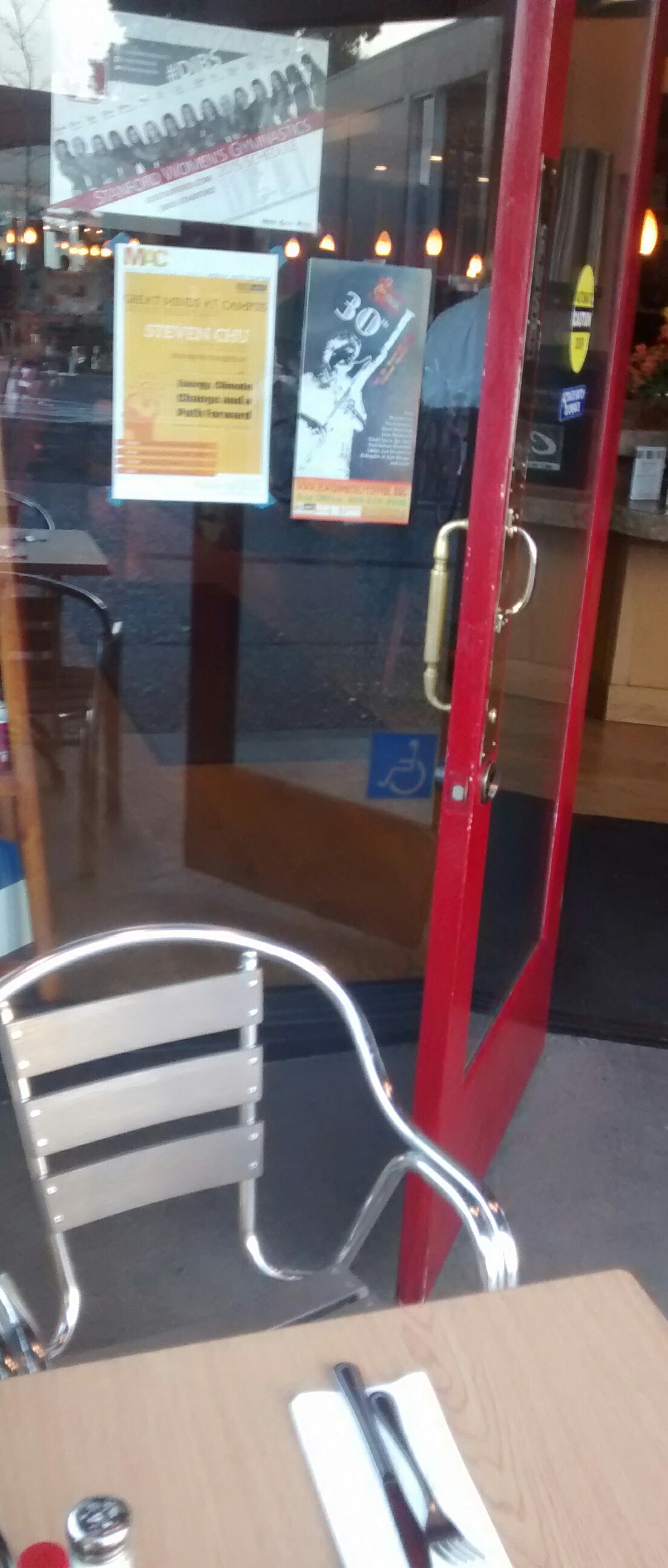
Titans fall to Bellarmine in CCS but go out as winners with 20-4 ledger, El Camino title, under coach Brandynn Williams

Titans fall to Bellarmine in CCS but go out as winners with 20-4 ledger, El Camino title, under coach Brandynn Williams

Posted in brain, Uncategorized | Leave a comment

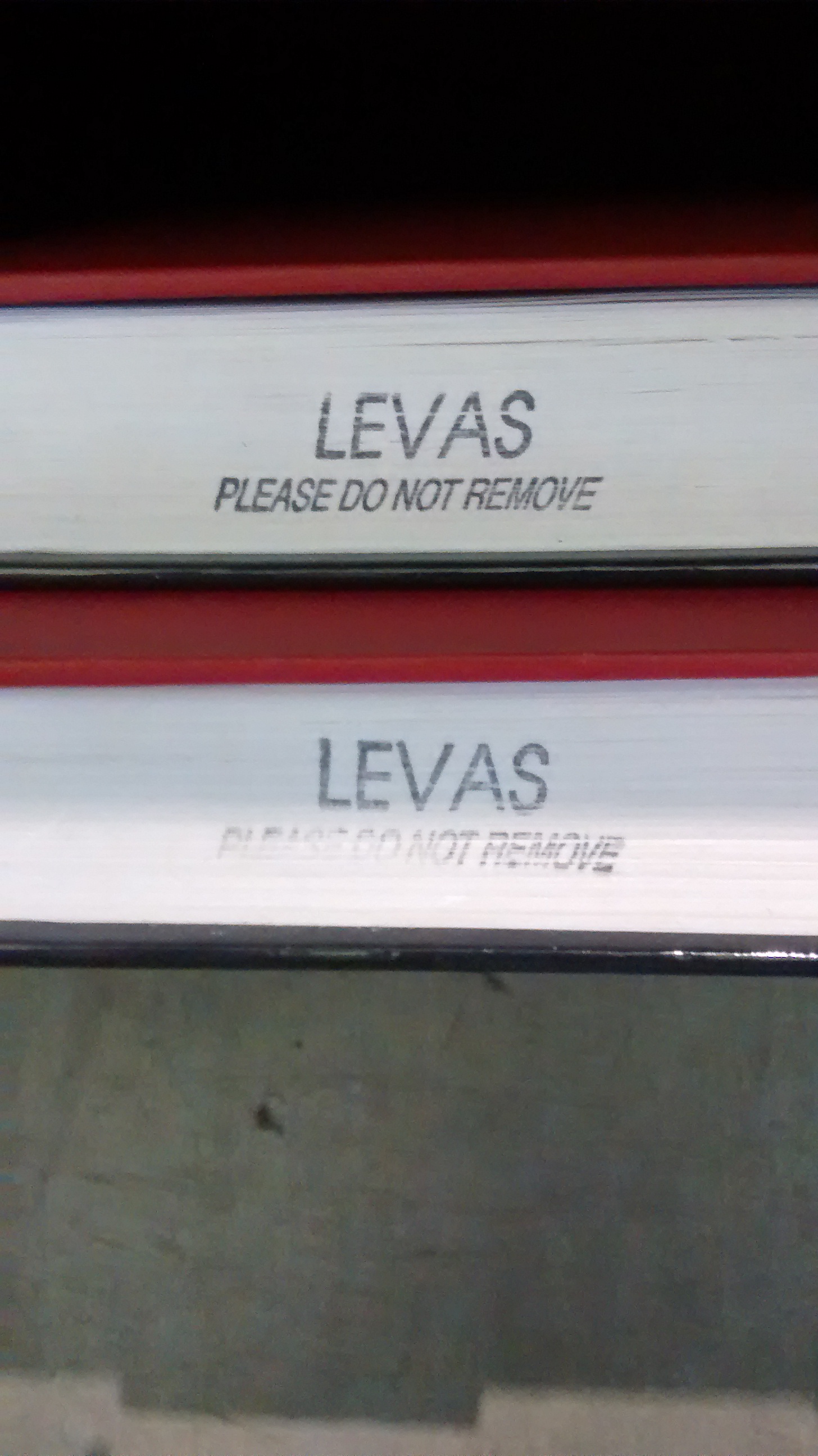
L E V A S (Palo Alto, Saturday, February 28, 2015

For Kim Porteus, for Rene Marie

For Kim Porteus, for Rene Marie

That’s weird that I posted five photos in a row of media and text and typography not subjects directly. In remedy:

Talisman at All Saints

Talisman at All Saints

Posted in brain, Uncategorized | Leave a comment

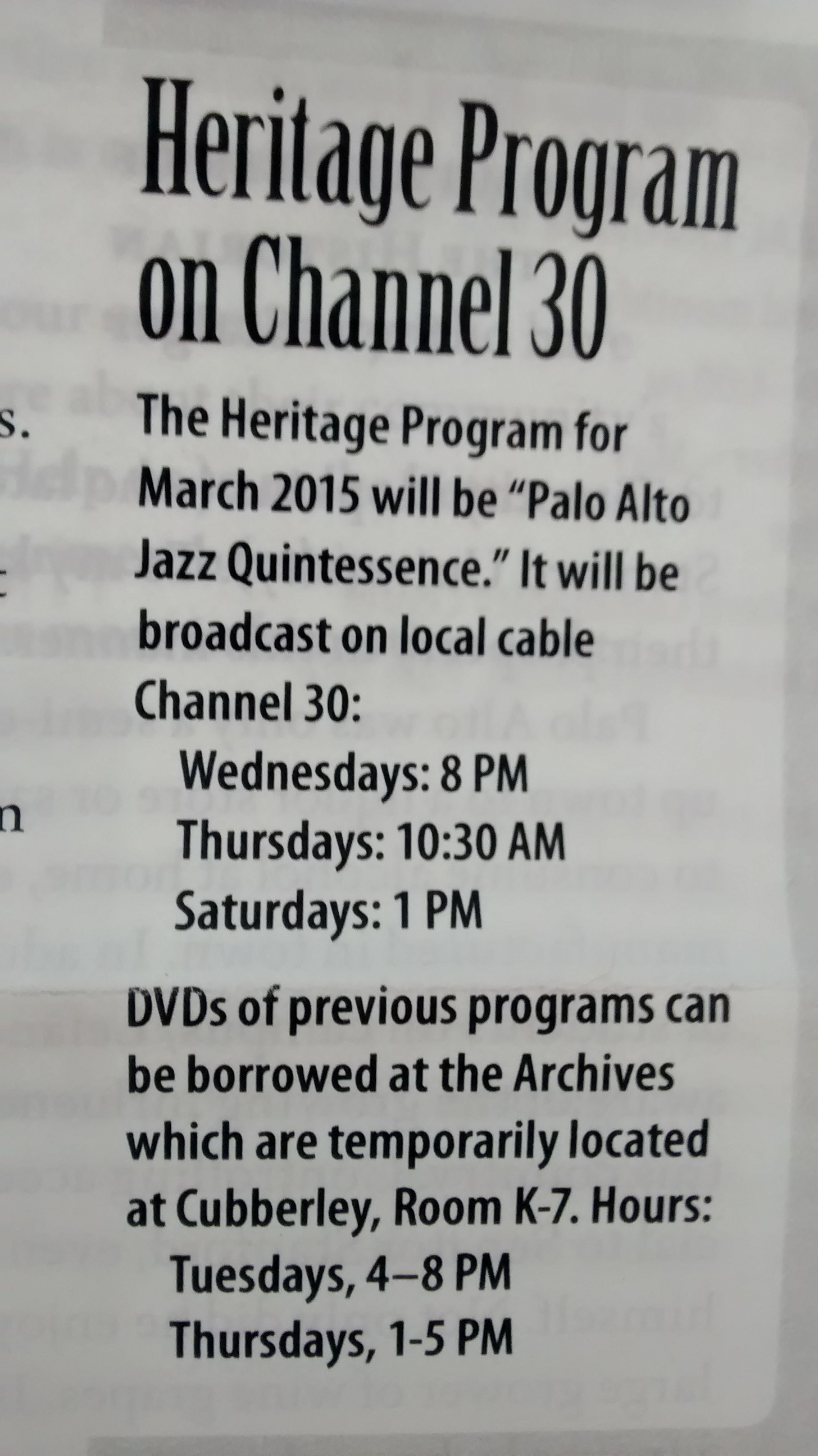
Jazz panel to air on local cable in March

The panel featuring Akira Tana, Seward McCain and Rebecca Coupe Franks for PAHA January meeting I produced and moderated, will be the basis thanks to

The panel featuring Akira Tana, Seward McCain and Rebecca Coupe Franks for PAHA January meeting I produced and moderated, will be the basis thanks to brian George of a set of broadcasts on local cable. There is also above the long form article I researched prior to the talk, “jazz time travels and jazz scribe contrafacts from fregulia to full faith and credit and back, and its list of 500 memes.

edit to add, the following Friday: I will try to remember to turn on tv tomorrow Saturday at 1 p.m. to watch the edited version of January’s jazz panel. Meanwhile I am wrapping up my Week which WordPress says can be measured thusly: 23 posts, 317 views, 237 visitors. What else did I do besides work on my blog? I am blog.

edit to add, five years later, April 1, 2020: I’m re-mounting my 20,000 word rambling jazz history as a list of 50 tropes; because Dick Fregulia’s own site seems to be disappearing, I am lifting a passage from the Google cache and preserving it here. I’ve met Dick several times in the ensuing years, recently, most notably he came to the Tom Harrell concert at Palo Alto Art Center, October 2019, although I should say “the music of Tom Harrell concert” since Tom was in town but never left his hotel room that night.

Harlem it wasn’t, but it’s where I was first introduced to and learned to play jazz. I’m speaking, of course, of Palo Alto, my home town, a quiet middle-class, college community about as far as you could get from New York, Chicago, or the Mississippi River. During World War II, pre-school rhythm classes at the Community Center introduced me to the basic concepts. From there I mixed piano lessons and trumpet playing in school music programs with lots of sports, which literally brought me to the other side of the tracks and the necessary cultures of color.

But real jazz – bebop in particular – didn’t come to my life until I turned 14, in 1954. It started in the listening rooms of Palo Alto’s two downtown records stores: Hagues on University near Ramona, and Melody Lane, further down University by the Varsity Theater. Each had a row of glass-enclosed phone-booth sized rooms, with a three-speed record player and small bench that would squeeze two if you had a date. The rooms smelled thick with the sweat and stale cigarette smoke of the preceding listeners, who sometimes had tattoos. You could bring in several l.p.’s at a time to sample. Shrink-wrapping had not yet been invented, and you wouldn’t consider buying a record (lp’s were $3.95) without thoroughly sampling both sides.

Hague’s was the hipper of the two and was particularly well-stocked with the new long playing albums of Milt Jackson, Clifford Brown, Diz, Miles, Monk, Bird, Bud Powell, Hank Jones, Erroll Garner, etc. The album covers were an enticing mix of pop art and film noir and the sounds seductive and challenging. The man behind the counter was often the stern, bespectacled Chuck Travis, a Palo Alto native a generation ahead of me. At night he became a Ben Webster inspired tenor sax player who had worked in the Dorsey band through the war years and now gigged with all the major jazz musicians in the Bay Area. Without realizing it, I was formulating the basis of my musical style as well as entering the aura of a fine musician with whom I would play gigs later in life.

My second source of jazz sounds found their way to Palo Alto over the airwaves from Oakland’s KROW-AM radio station. Patrick Henry was the d.j of the evening program to which I’d fall asleep trying to absorb the tantalizing sounds of Stan Kenton, Mose Allison, Gerry Mulligan, Chet Baker, and Shorty Rogers.

Stanford was the third source of jazz. When the hip 16-year-olds at Paly High were driving up to the city to Norman Granz Jazz at the Philharmonic concerts, I was crossing El Camino to concerts at Stanford’s Memorial Auditorium. There I saw in person for the first time the likes of Cal Tjader, Vince Guaraldi, Brew Moore, Kenton, Dave Brubeck, and Paul Desmond. The concerts were part of a revolutionary movement that brought jazz out of the big city bars and on to college campuses.

By the time I entered Paly High I had quit my piano lessons and the marching band to concentrate on sports, grades, and popularity. On the sly, though, I started picking out jazz chords and improvising tunes on my own. Jazz pianist Billy Taylor came to me over Channel 9, the only local PBS station at the time, with a jazz program that explained the basics of improvisation. I’d watch, then run into the living room and try emulating him on the home piano. Friends were now collecting jazz albums instead of baseball cards. By junior year some of us tried jamming. And once we turned 16 we were able to venture to the Blackhawk jazz club in the city to hear our favorite bebop artists. Palo Alto had become too suburban for our new interests.

In the summer of 1959, however, the downtown scene underwent a significant change. The conditions of the Leland and Jane Stanford will had always stipulated that no liquor be served within two miles of the Stanford campus, hence there were no bars in any of Palo Alto. Two coffee houses, each serving a variety of espresso drinks, frappes, and sandwiches managed to open, however, and soon featured live jazz, folk music, paintings and photographs, dramatic performances, and a full cast of students, artists, and shiftless intellectuals.

St. Michael’s Alley was the hippest, quickly becoming the new soul of the local bohemian scene. It was dark, woodsy, cozy, and intimate. Just two doors down from the Varsity Theater, it brought to University Avenue a new alternative to the hip scene at Kepler’s bookstore. When it became apparent that all that was lacking was a piano, I helped Vern, the owner, pick out an old upright with a speckled green paint job. which we placed against the wall in the darkest corner. It became a favorite place for jam sessions, usually involving some combination of drums, bass, a guitar, and/or saxophone.

If St. Mikes was downtown, the Outside at the Inside was uptown. Actually located above the Zack’s electronics store on High Street, the theater/gallery/coffee house was the creation of local artist Sheila Dorcy and Michael DuPont, an actor-producer from New York with lots of disposable family money. The layout defied description, but S.F. Chronicle writer Joel Pimsleur submitted the following in a 1960 review:

“Modeled, loosely, after a Greek open theater, the interior stresses simple, classical lines, suggests not so much a night club as an atrium – complete with stone fountain. Ionic columns flank the club room, furnished with Belgian, Greek, and Italian marble tables. Greek keys and theater masks spike the red, black, and gold inner awnings. This is the “outside” room – under the sky roof – skirted on the one edge by a small enclosed theater, on the other by an art gallery. Presiding over all, above the center stage, a familiar figure: a cherub-cheeked bust, with the ringlet beard and gaping maws of Bacchus.”

Outside at the Inside catered to a more upscale crowd. Weekends brought in jazz names like Red Norvo, Cal Tjader, Jackie and Roy, Jimmy Witherspoon, Ben Webster, Red Mitchell, Lord Buckley, Vince Guaraldi, Al Cohn, the Mastersounds, and jazz tap dancer Tommy Conine. Cutting edge theatrical productions were presented in the adjoining theater, and local artists displayed in the gallery. The weeknight entertainment was either local folk music or a local jazz trio – mine, for instance.

Also worth noting in 1959 was a greasy spoon on University at the north side of the Circle, the Electric Kitchen. It was one of a few small downtown black-owned businesses and for awhile featured blind pianist Freddie Gambrell playing with his trio, which had just recorded an album for Atlantic records. Alcohol, however, could still not be legally served in Palo Alto. The fact that it flowed freely at Stanford parties meant that most local jazz players played gigs for college dancers. In the hills west of the campus, weekend beer bashes featured both aspiring Stanford jazz musicians as well as groups like Bob Scobey’s Dixieland Band and Buddy deFranco’s bebop quintet.

Up and down El Camino Real just outside the two-mile limit jazz was also pressing the limits. In 1962 a jazz spot called the Percussion Room opened on El Camino right on the Palo Alto-Mt. View border. The following ad (written by the owner) appeared in the Stanford Daily: “Is Jazz the Death Rattle of a Decadent Society? LISTEN To Stanford’s Own DICK FREGULIA ‘Reply to Fate by 88’ HIS PIANO & JAZZ DUO EVERY FRI.& SAT NITE”

We played there to a mixed audience of students, locals, whites,blacks, straights, and at least one ex-con from San Quentin (a guy who used to spit on me in basketball practice, in fact.).The jazz ambiance was attacking all the stereotypes we had been raised under in Palo Alto. We created jazz beauty in our youthful anger as we continued to rebel against our own suburban culture.

At the other end of the 2-mile limit , the Band Box on El Camino in Atherton featured a local jazz dance band with a full bar and dinner. Bernie Kahn, the booking agent/band leader, brought in major big bands on occasion, most notably Count Basie and Duke Ellington, as well as locals Chuck Travis, Kermit Scott, and Ernie Royal.

In spite of all the societal changes in the 1960’s, however, the downtown liquor restrictions remained. It wasn’t until 1971 that Henry’s Pub adjacent to the President Hotel broke the barrier with the first downtown liquor license. In the late sixties, though, you could go to the other end of University where the Nairobi Corner managed to serve food, beer, and small jazz groups, one with bassist Ray Drummond and a trumpeter named Tom Harrell.

Tom was, in fact, the most exciting young jazz musician on the scene. Having graduated from Los Altos High in 1961, he developed a local reputation as a bold, lyrical, adventuresome trumpeter in the Clifford Brown tradition. As a Stanford student in the mid-1960’s Tom also played at a classic jazz dive called Easy Street , which opened just south of Oregon on El Camino. Originally a convenience store, then a massage parlor and topless dance joint, it evolved for a short time into a bebop-oriented decadent jazz club often featuring Tom with a full quintet.

During this ten year period between Eisenhower culture and the takeover by rock and roll a number of mid-peninsula jazz musicians nurtured their talents. Tom Harrell went on to play with Horace Silver and Stan Getz and has become a New York based international jazz star in his own right. Ray Drummond achieved status as one of New York’s top mainstream jazz bassists. Many musicians playing Palo Alto’s scene continued into a lifetime of jazz performance. Even I eventually achieved the distinction of holding the longest-standing jazz piano gig in North Beach (33 years at Washington Square Bar and Grill, and still going strong).

The institutions that were part of this special jazz era went various ways. St. Michaels Alley closed in 1966 over a lease hassle, then re-appeared on Emerson in 1973 as a restaurant. The original site on University is now occupied by Peet’s Coffee and a new gelato cafe called, coincidentally, Michael’s. Outside at the Inside failed financially after a couple of years and reverted to being a storage room (a very fancy one) for Zacks Electronics Now the building houses a yoga studio and several offices upstairs. In the middle still stands an outdoor courtyard, the original “outside” showroom of Outside at the Inside. Pat Henry, the KROW dj, created the 24-hour jazz radio station KJAZ, the premier Bay Area jazz station for over 30 years. Palo Alto mainstream embraced jazz with street fairs and special summer jazz series, and Stanford, which used to have a policy of no jazz in the music department practice rooms, became a major player in jazz education with its summer jazz workshop.

By the time liquor came to Palo Alto, rock and roll had replaced jazz as the music of social relevance, but for that short era from the mid-50s to mid-60’s Palo Alto provided a subculture that helped nurture the further evolution of America’s great indigenous art form. We didn’t have our Apollo theater or Minton’s Playhouse, but we did have a visionary alternateculture that broke through barriers of a social system that needed change. And we did it to a soundtrack of live jazz within and around the city limits of our home town. wow, thanks, dick!

Posted in Plato's Republic, words | Tagged , , | Leave a comment

Bob Marley reggae consciousness in kids road show

Three little birds gonna be all right perhaps in San Ramon matinee march 22, poster sighted on Cali Ave kiosk but I was pissed that Joanie's no longer had the poster I placed for Paul Hanson and the Jewish music festival

Three little birds gonna be all right perhaps in San Ramon matinee march 22, poster sighted on Cali Ave kiosk but I was pissed that Joanie’s no longer had the poster I placed for Paul Hanson and the Jewish music festival

_20150227_112905

Posted in brain, Uncategorized | Leave a comment

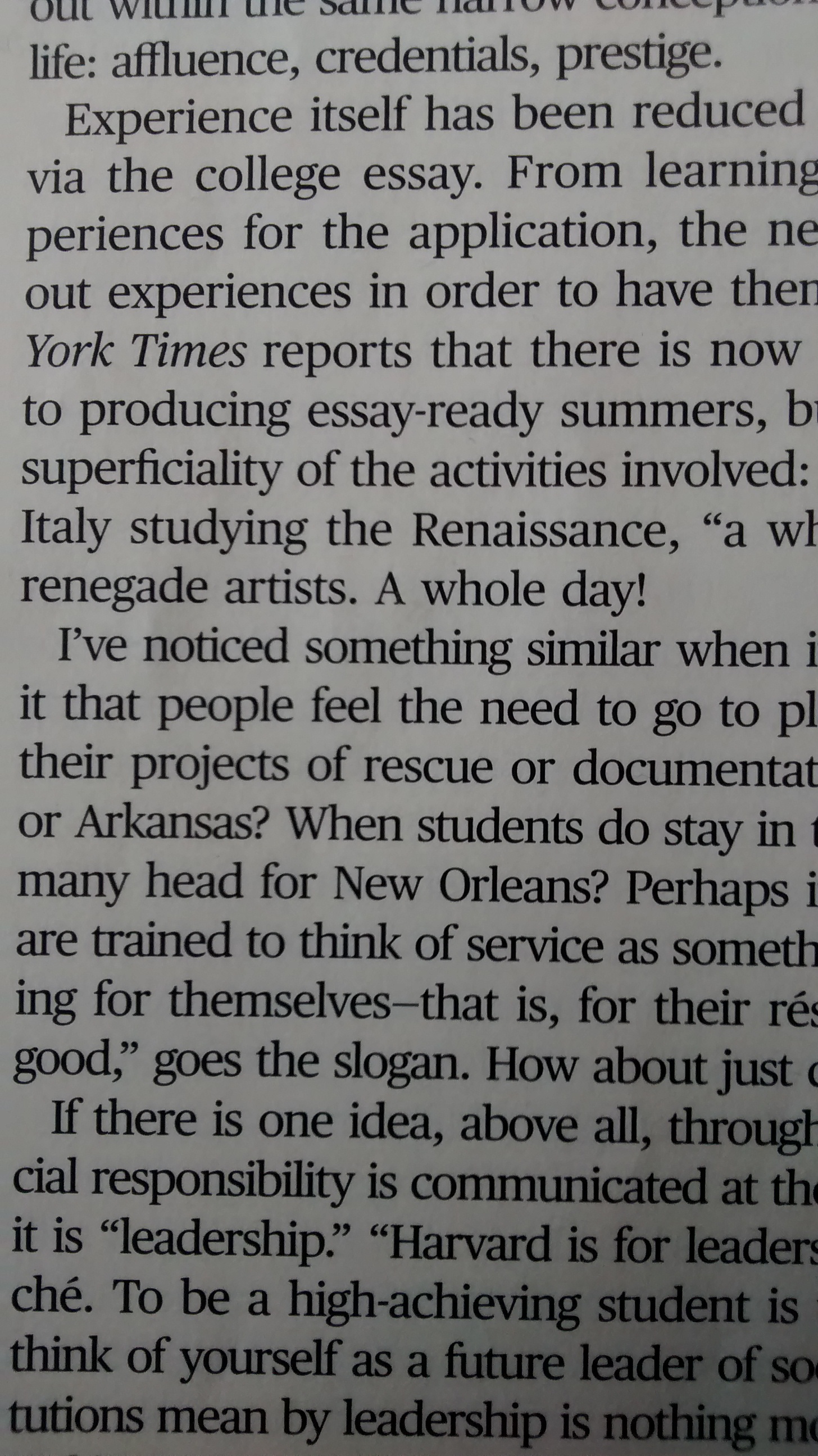
Experience itself reduced to instrumental function

Wm  Deresiewicz in The New Republic August 2014

Wm Deresiewicz in The New Republic August 2014

Posted in Uncategorized | Leave a comment

Hunt at Hunk and Moo’s

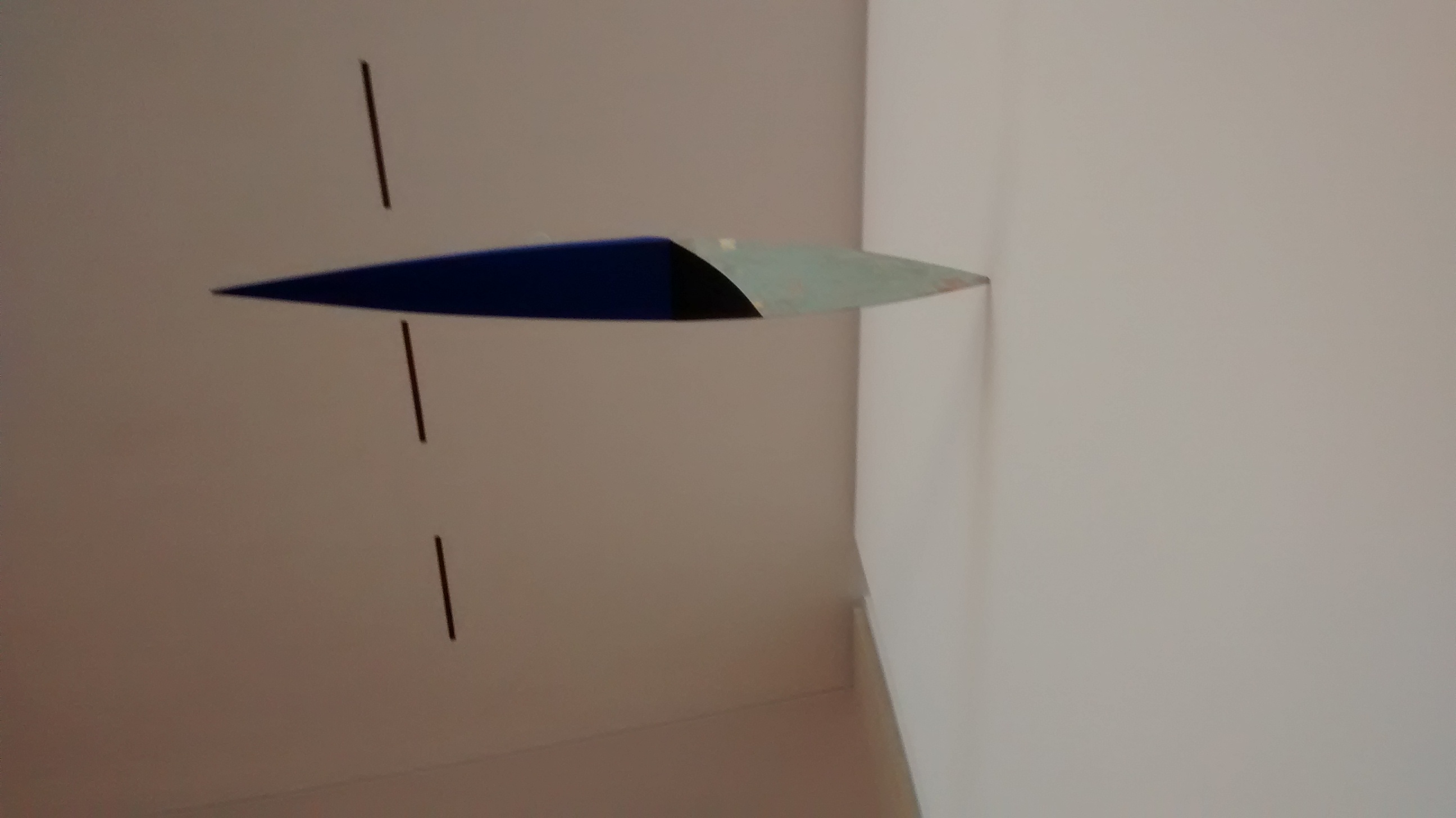
Bryan Hunt, American, b. 1947, Fulcrum 1990, synthetic fiber, patinated copper leaf, paint, spruce & balsa

Bryan Hunt, American, b. 1947, Fulcrum 1990, synthetic fiber, patinated copper leaf, paint, spruce & balsa

Posted in Uncategorized | Leave a comment

Black, white or gray

Scott-Heron was one of five black students among a class of a hundred, and in his second year he got in trouble for playing the piano. “They had a beautiful Steinway they used for the choir and the chorus, but I got caught using it to play the Temptations,” he said. “A guy came in and screamed at me to stop, and they put a sign up saying ‘Do Not Play.’ A few days later, he came in, and I’m sitting under the sign playing the piano. So they told me they were going to call my mother, and I laughed—not because I was being disrespectful, although he took it that way—but because I thought, You really don’t want to get my mother into this. But they called her and told her to come to a disciplinary meeting, and the evening before she asked me what had happened, and I told her. And she said, ‘Well, did you hit the man?,’ and I said, ‘No, I was playing the piano.’ I tried to explain that there had been no rule against it until I did it. A lot of kids had been going up there to play ‘Chopsticks,’ I said, and she asked me again, did I hit him. She had reached the conclusion that I had done something so awful that I didn’t want to describe it, because she couldn’t imagine that they had called her up there to tell her I had been playing the piano.”

Posted in music, Plato's Republic | Tagged | Leave a comment

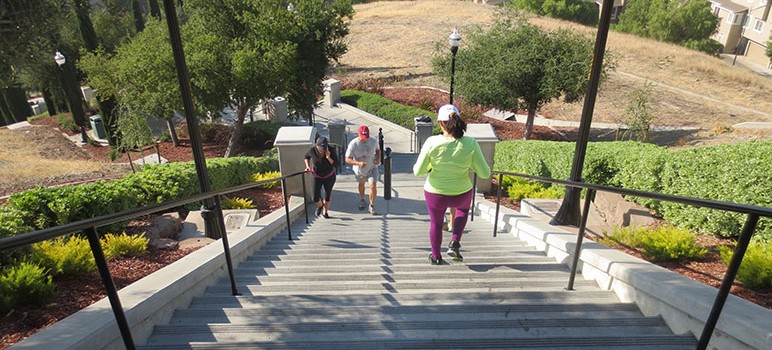
Is Jim Beall trying to privatize ‘Communications Hill’ workout spot?

photo for Metro by Jennifer Wadsworth

photo for Metro by Jennifer Wadsworth

City-Sponsored Legislation SB 236 to Address Communications Hill Grand Staircase – State Senator Jim Beall has introduced SB 236 that would amend the Vehicle Code in order to exempt from the definition of “sidewalk” a stairway used or designed primarily for pedestrian travel. The public staircase located on Communications Hill was dedicated as a pedestrian right-of-way and currently is subject to the Vehicle Code. SB 236 will give cities the authority to regulate pedestrian staircases. SB 236 is expected to be referred by the Senate Rules Committee to the Senate Governance and Finance Committee for hearing. The last day for policy committees to hear and report out non-fiscal bills to the Senate Floor is May 15. For more information contact: Roxanne Miller, the City’s Legislative Advocate in Sacramento at 916-443-3946.

There’s a little blurb in the Metro about Senator Jim Beall (D-San Jose) writing a bill SB-236 that seeks to change the way a pedestrian right of way is regulated, distinguishing it from a sidewalk. The effort is about the fact that a right-of-way part of a giant condo development in San Jose has become a popular gathering spot for non-residents. Reminds me of Lytton Plaza in Palo Alto, a small downtown park that was renovated 50 percent by taxpayers and 50 percent by a group of landlords who in turn wanted to over-regulate the park and drive away “undesirables” (their word) and “sketchy people” (likewise). My involvement there was to speak a half dozen times on behalf of street musicians at the park, who got over-regulated in the form of a new ordinance here in Palo Alto that bans amplifiers during business hours.

I would say, with due respect, enforce your existing ordinances, for noise, for drug dealing for indecent exposure but Beals law looks to me like a way for pro-development leadership to privatize a public asset, not in my Democracy the first 200 years playbook.

Tempted to drive down there– maybe on my way to Oak Grove Gunn CCS game tomorrow, and cheek it out. Reminds of Coit Tower and Sansome Steps and to a lesser extent the Philadelphia museum Rocky steps.

Edit to add: swapped this out for “The 39 Steps” playing closer to home, and my Scattante for my Cruze.

Posted in media, Plato's Republic | Tagged , | 1 Comment